
Hydrodynamic performance of underwater lift surfaces in high-speed navigation.




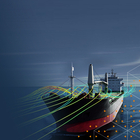




The optimal solver for hydrodynamic investigation of waterborne lift surfaces.
Using Navier-Stokes-based CFD simulations, two standard problems were studied, and the hydrodynamics of submerged lift surfaces were investigated. (1) Flow around a three-dimensional submerged lift surface with an elliptical shape and a constant camber wing cross-section. (2) Flow around a two-dimensional symmetric wing cross-section. The dependence of the resulting hydrodynamic loads on changes in velocity and angle of attack was examined under fully submerged conditions that allowed for the occurrence of cavitation. A comparison of results obtained from numerical simulations and measurements from experiments conducted in a pressurized test tank facility was presented.
basic information
For more details, please refer to the PDF document or feel free to contact us.
Price range
Delivery Time
Applications/Examples of results
For more details, please contact us or download the paper.
catalog(4)
Download All Catalogs


Recommended products


Distributors

Cadence Design Systems Japan Co., Ltd. is engaged in the development, sales, and support of electronic design tools from Cadence Design Systems in the United States, as well as design support services. We not only undertake customer designs but also provide feedback on challenges and know-how derived from our cutting-edge design experience to Cadence's R&D, enabling the development of new design methods and tools. Additionally, the development and sales of various IPs, which are key to improving design efficiency, are also one of our important activities. Furthermore, we offer a wide range of solutions, from intensive support for the early implementation of newly introduced tools to analyzing customers' current design methods, identifying issues, proposing solutions, and actually building new design methods and environments.