
[Information] DirectCloud Ransomware Countermeasures
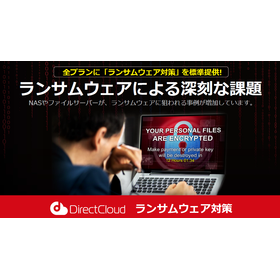
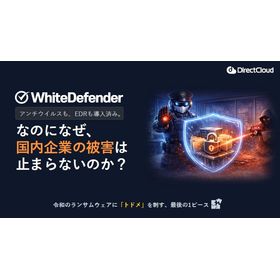
There is an increasing number of cases where NAS and file servers are targeted by ransomware!
This document summarizes the ransomware countermeasures of "DirectCloud." It explains the background that necessitates ransomware countermeasures, the files that need protection from ransomware and the methods to do so, and the significant reduction in time related to ransomware countermeasures. With "DirectCloud," ransomware countermeasures are provided as a standard feature in all plans. [Contents (partial)] ■ Transition from file servers to cloud storage ■ Background necessitating ransomware countermeasures ■ Investigation of ransomware infection routes and damages ■ Examples of ransomware damage ■ Current state of ransomware countermeasures in cloud storage *For more details, please download the PDF or feel free to contact us.
basic information
【Other Published Content】 ■DirectCloud's Ransomware Countermeasures ■Process to Start Using ■For Customers Considering Implementation *For more details, please download the PDF or feel free to contact us.
Price range
Delivery Time
Applications/Examples of results
For more details, please download the PDF or feel free to contact us.
catalog(1)
Download All Catalogs
Recommended products

Distributors
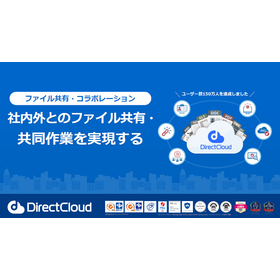
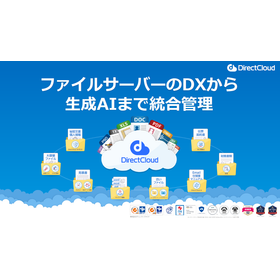
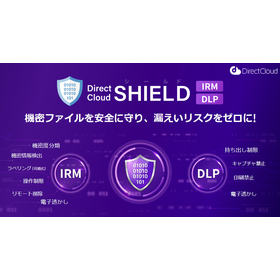
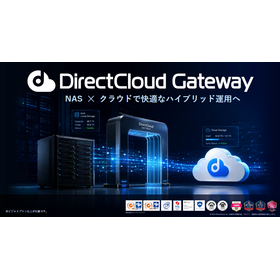
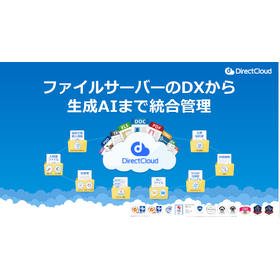
"DirectCloud" not only meets customer needs for high convenience and security at a high level, but it is also chosen by many customers due to its good cost performance. "DirectCloud" is equipped with robust security features such as virus checks and encryption during uploads, WAF, and IDS, and it can be configured to align with the security policies of the implementing companies. For example, we provide standard features such as six levels of access, function restrictions, IP address restrictions, device authentication, and two-factor authentication. It is multifunctional and secure, yet can be implemented with "unlimited users" and "no initial costs," making it adopted by a wide range of companies across various industries, from publicly listed large corporations to medium and small enterprises. As of November 2023, the number of implementing companies has already surpassed 2,000, and this number continues to grow rapidly.