
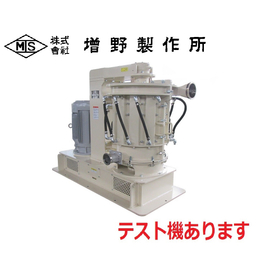
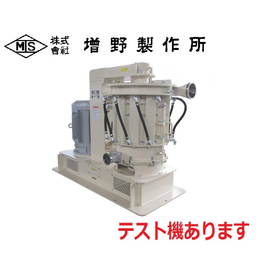
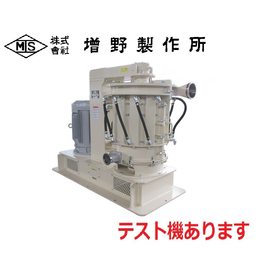
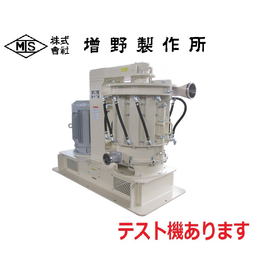
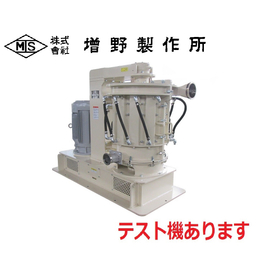
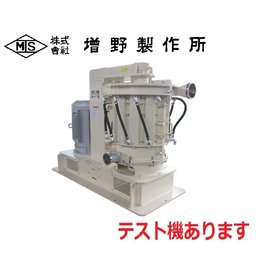
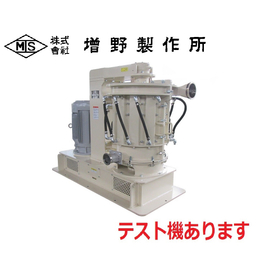
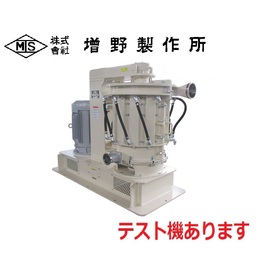
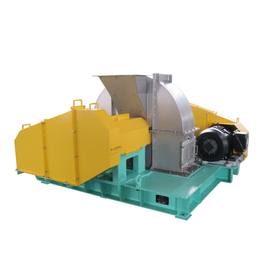
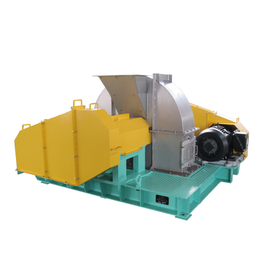
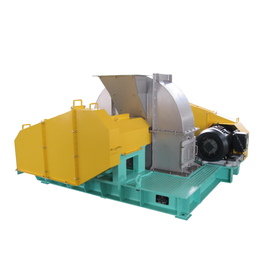
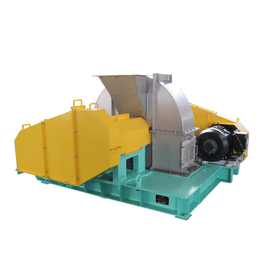
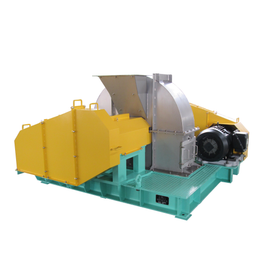
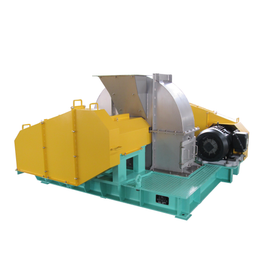
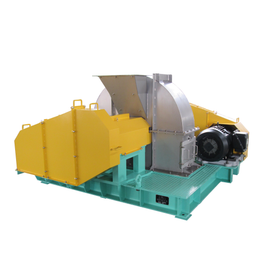
Recycling Crusher 'Disintegrator'


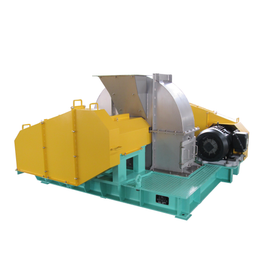
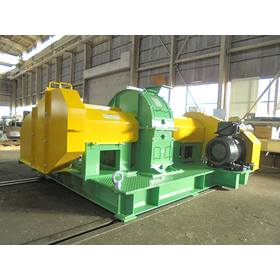
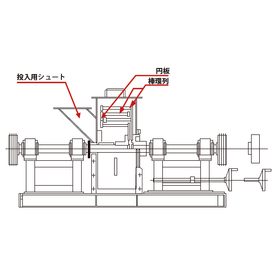
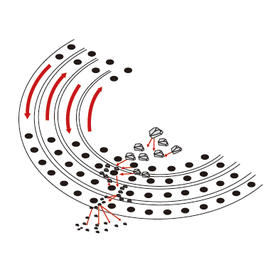
Crushing sorted materials with impact and shear forces from a rod ring arrangement.
In the recycling industry, efficient sorting of waste is required. In particular, bulky waste mixed with foreign substances hinders the sorting process and reduces processing efficiency. The disintegrator machine breaks down solidified bulky waste, making the sorting process easier. 【Usage Scenarios】 - Waste sorting process - Processing of waste mixed with foreign substances - Breaking down sludge and other cakes 【Benefits of Implementation】 - Increased efficiency in sorting operations - Reduced processing time - Lower waste processing costs
basic information
【Features】 - A series of 4 to 6 rod rings that rotate alternately in opposite directions - More crushing rods in the outer cage - The cage has a structure that allows the outer and inner rings to be separated - Ideal for breaking up solidified lumps 【Our Strengths】 Since our founding in 1913, we have cultivated crushing and grinding technology, contributing to solving our customers' challenges.
Price information
-
Delivery Time
Applications/Examples of results
- Processing of limestone, coal, coke, gypsum, etc. - Processing of seafood bones and grains - Crushing of sludge cakes, etc. - Crushing of salt, sugar, etc.
Line up(8)
| Model number | overview |
|---|---|
| 30 | |
| 50 | |
| 60 | |
| 75 | |
| 90 | |
| 100 | |
| 120 | |
| 150 |
catalog(1)
Download All Catalogs
Recommended products


Distributors

Since our founding in 1913, our company has focused on developing and manufacturing machinery for the powder industry, centered around crushing, grinding, classification, drying, and calcination, as well as general industrial machinery for sectors such as chemicals, glass, cement, steel, and mining, along with machinery related to environmental protection and recycling. The applications and demand for our products span a wide range of industries, contributing to the development of various sectors including chemicals, glass, carbon, cement, silica sand, steel, lime, building materials, new materials, and food (such as tea leaves, rice, kelp, young barley leaves, buckwheat, soybeans, corn, and bonito flakes).