
Contributing to the SDGs! Rice biomass plastic "Rice Resin"




What is domestic biomass plastic that utilizes non-edible rice, balancing quality and environmental considerations? [Materials available]
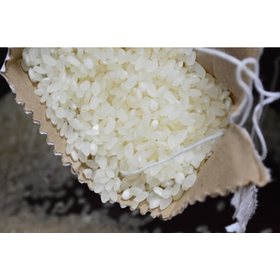
Mitsui & Co. Plastics offers environmentally friendly materials, including biomass plastic "Rice Resin," made from non-food rice. We accommodate various molding methods such as film, injection, blow, and extrusion, allowing us to provide optimal proposals tailored to product applications and customer challenges. \Do you have any of these concerns?/ 【1】Considering environmentally friendly plastics 【2】Looking for domestically sourced materials 【3】Worried about stable supply and price fluctuations of materials These concerns can be addressed with "Rice Resin"! ○Contributes to reducing CO2 emissions ・By switching from conventional plastics to Rice Resin, CO2 emissions are reduced ・Transportation energy is also reduced ○Compatible with various molding methods ・Supports injection molding, blow molding, and extrusion molding. Usable in a wide range of products ○Reliable domestic production ・Uses non-food rice produced in Japan as biomass material. ○Contributes to the resolution of abandoned farmland ・There are approximately 420,000 hectares of abandoned farmland in Japan ・Contributes to agricultural support and regional revitalization by not cultivating rice for Rice Resin on abandoned farmland You can download materials from our website via the link below or feel free to contact us.
basic information
Rice Resin Adoption Examples ○ Plastic Bags ○ Shoppers, Garbage Bags ○ Amenities, Cutlery, Straws ○ Cushioning Materials, Toys, Tableware, Stationery, etc. - Rice resin contains rice (non-food rice) and is more hygroscopic compared to petroleum-based plastics, so pre-drying before molding (90°C, 4-5 hours) is recommended. - It is recommended to blend rice resin as a masterbatch with virgin resins (polyethylene, polypropylene, ABS) for molding. - Starting with a low blending ratio of rice resin often leads to more stable molding. - Even if the blending ratio of non-food rice is a few percent, it is possible to display the rice resin logo and indicate the use of rice-derived materials. - Since rice resin contains rice, it is recommended to mold at low temperatures (approximately 170-190°C). - The color after molding will be a soft ivory color that highlights the natural color of the rice. For more details, please contact us.
Price information
For more details, please contact us.
Delivery Time
Model number/Brand name
Rice resin
Applications/Examples of results
If you have any other inquiries, please feel free to ask.
catalog(1)
Download All Catalogs
Recommended products
Distributors

Our company not only purchases and sells products but also accurately understands the needs of all stakeholders and provides solutions to their challenges. While enhancing customer satisfaction, we aim to expand both our businesses in a larger and broader manner. We continuously capture the changes in the market, gather high-quality information, and consistently evolve our proposals.