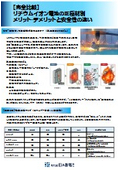
[With Data] [Explanation] Comparison of Safety of Lithium-Ion Batteries by Cathode Material



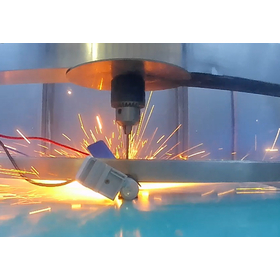

Are lithium batteries safe? A thorough explanation of the thermal runaway risk of lithium batteries and the differences in cathode materials.
"Free Guide Specializing in the 'Safety' of Lithium-Ion Batteries Now Available" In the development of industrial equipment and energy storage systems, addressing the 'fire risk' and 'lifespan' of lithium-ion batteries is essential. This document clearly explains from a technical perspective how the chemical differences in cathode materials (such as ternary, lithium iron phosphate, and titanium oxide) lead to variations in safety and performance. ■ Contents of this document: - Mechanism of thermal runaway: Why is the release of 'oxygen' dangerous? - Performance comparison map of the five main types (NMC/LFP/LTO, etc.) - Key points to evaluate in safety tests (nail penetration, heating, etc.) - Guide on how to choose the optimal battery for different applications Please make use of this for initial comparative studies in development or as a technical resource for internal use.
basic information
Title: Lithium-ion Battery Safety and Characteristics Comparison Guide by Type Number of Pages: 2 pages in PDF format (includes illustrations and comparison tables) Target Cathode Materials: Nickel Manganese Cobalt (NMC), Lithium Iron Phosphate (LFP), Lithium Titanate (LTO), Manganese, Cobalt Main Contents: Thermal runaway mechanisms, explanation of safety tests, selection criteria by application
Price range
Delivery Time
Model number/Brand name
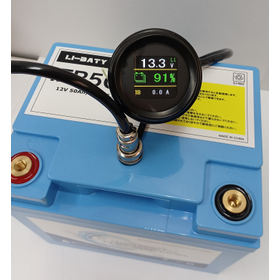
LI-BATY
Applications/Examples of results
Please feel free to use it for comparative studies in the early stages of development and as technical documentation for internal use.