
[Free Offer] Resolve your "unknowns" about nozzles! Nozzle Selection Guide






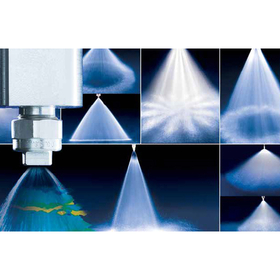
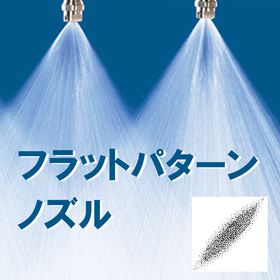
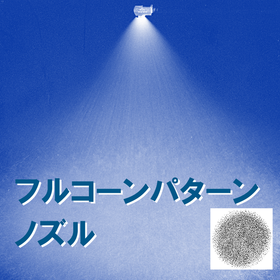
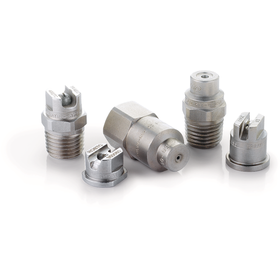
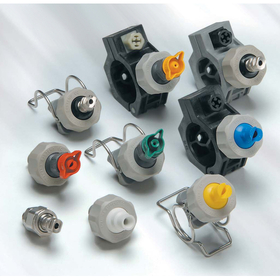
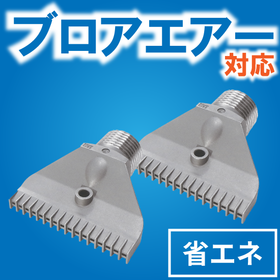
A mistake in nozzle selection can lead to liquid loss and a decline in quality. A must-see for those considering quality improvement and cost reduction. For internal study!
From liquid nozzles to air nozzles, this document provides a comprehensive explanation of basic knowledge, selection points, and usage distinctions. It is a recommended reference material for those considering the introduction or review of nozzles and energy-saving measures. "Not sure which nozzle is suitable for my application" "There are many types, and I don't know what criteria to use for selection" "I want to reduce air consumption and running costs" "I want to review the nozzles and air blow processes I am currently using" Do you have any of these concerns? This document broadly explains the selection points for liquid nozzles and air nozzles used with compressors and blowers, from the basics to application-specific considerations. It includes foundational knowledge on spray patterns, materials, flow rates, pressures, and particle sizes for liquid nozzles, as well as the types and features of air nozzles, differences in air sources, and methods for energy-saving reviews. This is a useful resource not only for those introducing nozzles but also for those considering changes to existing nozzles or improvements to air blow processes. *For more details, please download the PDF or feel free to contact us.
basic information
【What You Can Learn from This Document】 ■Differences between single fluid nozzles and air nozzles ■How to choose a spray pattern suitable for your application ■Key points to check during selection, such as flow rate, pressure, particle size, and material ■Differences between air nozzles for compressors and those for blowers ■Characteristics and differentiation of flat, round, and slit patterns ■How to review nozzles to reduce air consumption and achieve energy savings ■Examples of selection based on applications such as draining, drying, cleaning, cooling, coating, and conveying 【Recommended for the Following Individuals】 ■Those selecting industrial nozzles for the first time ■Those who want to learn the types of nozzles and selection criteria from the basics ■Those considering switching from existing nozzles or homemade nozzles ■Those who want to reduce air consumption while maintaining the effectiveness of air blow ■Those considering switching from compressors to blowers ■Those looking to improve processes such as draining, drying, and foreign object removal ■Those searching for materials that can be used for in-house training or new employee orientation This document can be widely utilized, from those who want to understand the basics of nozzles to those considering specific implementations and process improvements. Please download it as a definitive guide to resolve your uncertainties about nozzle selection.
Price information
*For actual nozzle selection, it is necessary to confirm the fluid used, pressure, flow rate, installation conditions, surrounding equipment, and other factors. Please feel free to contact us for detailed selection and condition setting. *For more details, please download the PDF.
Delivery Time
OTHER
Applications/Examples of results
【Main Application Examples】 ■ Liquid Single-Fluid Nozzles Cleaning, coating, cooling, spraying, humidifying, dust suppression, gas treatment, mist cooling, peeling, cutting, etc. ■ Air Nozzles Water removal, drying, droplet removal, foreign object and chip removal, transportation, transfer, rejection of defective products, air curtains, cleaning, cooling, etc. It is important to select the appropriate nozzle and operating conditions based on the application, required impact, distance to the target object, installation space, and other factors. This document is a comprehensive guide that summarizes the basics of industrial nozzles and selection methods by application. For liquid single-fluid nozzles, it explains the basic elements that affect performance, such as spray patterns, materials, flow rates, pressure, particle size, and impact. For air nozzles, it introduces the differences between those for compressors and blowers, the use of flat, round, and slit patterns, and methods for reviewing nozzles and air sources that contribute to energy savings. You can use this information for the introduction of new nozzles, improvement of existing equipment, reduction of air consumption, and internal training. *For more details, please download the PDF and take a look.
catalog(6)
Download All Catalogs


Recommended products


Distributors

Spraying Systems, a global brand of spray nozzles, offers a variety of nozzles tailored to different applications based on a track record of over 90,000 items. - Please feel free to consult us about spray technology, including spray nozzles, humidifiers, cleaning machines, coating devices, dust prevention, cooling, and lubrication. - We have established "Technical Test Rooms" at five locations nationwide. By physically handling the nozzles and conducting spray tests under various conditions, you can select the spray nozzle that truly meets your needs. - We offer over 20,000 standard products, providing the optimal nozzles for applications across all industries. - We also accept orders for custom specifications and system design and construction, starting from one unit. - ISO 9001 and ISO 14001 certified (Yokaichiba Factory). - Application examples: jet cleaning, high-pressure cleaning, spraying, watering, humidifying, coating, etching, developing, water film thin film, static electricity prevention, humidity control, dust prevention, dust suppression, peeling, wastewater treatment, defoaming, deodorizing, adhesives, release agents, scale removal, surface treatment, rust prevention, ear cutting, cutting, molding, cultivation, pre-treatment for painting, air blowing, oiling, reactions, granulation, fire prevention, cooling. For inquiries about spraying nozzles, please contact us here.