How to Choose a Atmosphere Furnace | Comparison Table by Furnace Type
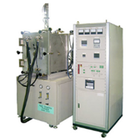
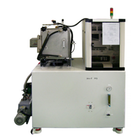
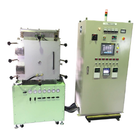
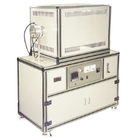
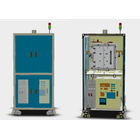
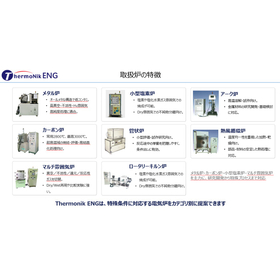
Aren't you just choosing based on the maximum temperature? Comparison materials for furnace type selection.
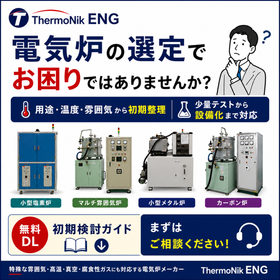
Are you having trouble selecting a furnace or electric furnace? If you choose an electric furnace based solely on maximum temperature, mismatches may occur in terms of operating atmosphere, vacuum level, gas flow, sample size, safety measures, and exhaust gas treatment. This document compares multi-atmosphere furnaces, tube furnaces, metal furnaces, carbon furnaces, and small chlorine furnaces in terms of temperature range, compatible atmospheres, preferred applications, and points to note. ■ Quickly understand the differences between furnace types ■ Useful for specification discussions before equipment installation ■ Effective for preliminary organization of firing tests and condition exploration ■ Also addresses confirmation of firing feasibility in special atmospheres
basic information
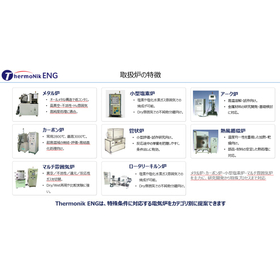
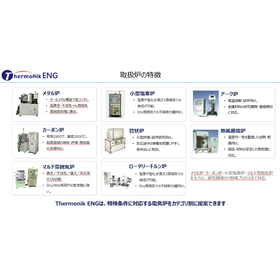
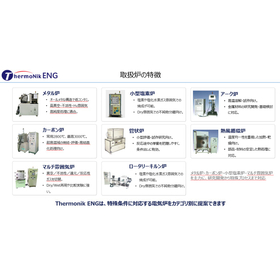
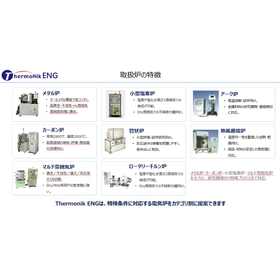
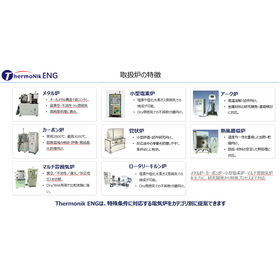
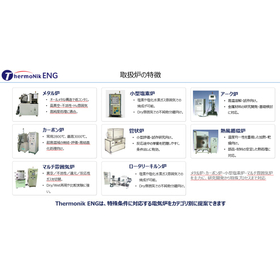
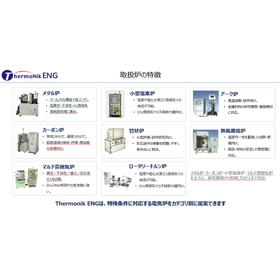
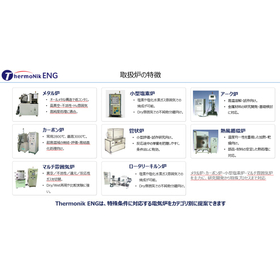
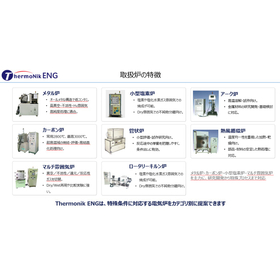
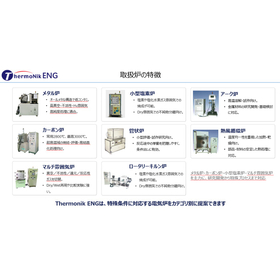
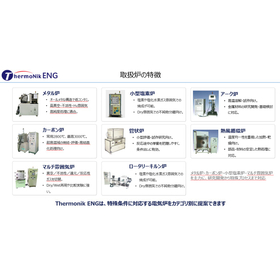
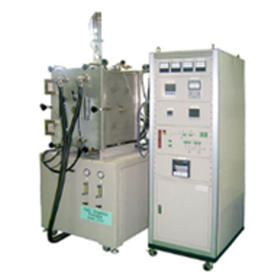
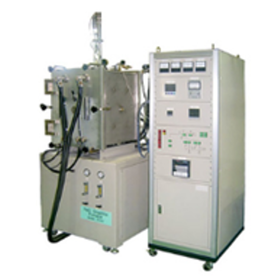
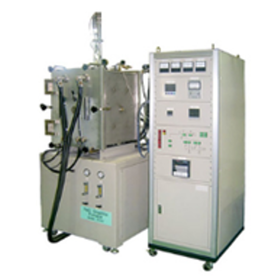
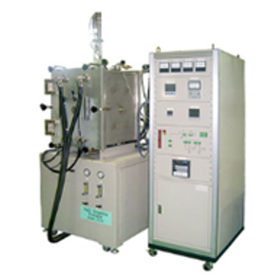
■Multi-atmosphere furnace: Compatible with Air, N₂, Ar, H₂, NH₃, O₂, humidification, etc. ■Tubular furnace: Suitable for small sample and various gas flow tests. ■Metal furnace: Supports high-temperature treatment in high vacuum, inert/reducing atmosphere, and high-purity atmosphere. ■Carbon furnace: Capable of ultra-high temperature treatment, graphitization, and high-temperature sintering in vacuum or inert atmosphere. ■Small chlorine furnace: Suitable for chlorination reaction evaluation using corrosive gases such as Cl₂ and HCl.
Price information
Estimates will be provided as needed based on specifications, furnace type, safety measures, and ancillary equipment.
Delivery Time
Applications/Examples of results
We recommend this kind of examination. ■ Selection of furnace types for atmosphere furnaces and electric furnaces ■ Examination of conditions for oxidation firing, reduction firing, nitriding treatment, degassing, graphitization, and chlorination reactions ■ Examination of firing conditions in special atmospheres such as H₂, NH₃, O₂, humidification, vacuum, inert gases, Cl₂, HCl, etc. ■ Consideration of processing for powders, substrates, jigs, components, and small-scale prototype samples ■ Paid firing tests, condition exploration, and specification discussions before equipment installation Consultations at the initial stage of examination, such as "Can firing be done under these conditions?" and "Which furnace type is suitable?" are also possible.
catalog(1)
Download All Catalogs
Recommended products







Distributors
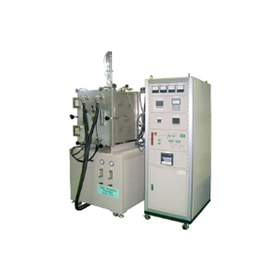
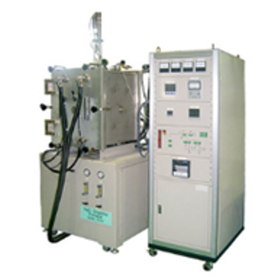
Our company integrates three technologies: "electricity," "equipment," and "chemistry," using our unique know-how to develop innovative heating furnaces and other equipment. We handle various electric furnaces (heating furnaces) such as carbon furnaces, multi-atmosphere furnaces, metal furnaces, and chlorine furnaces, leveraging our proprietary high-temperature electric furnace technology. We are not just an equipment manufacturer; we are a strategic development partner that supports innovative manufacturing with advanced heating, looking ahead to the standards of the next decade alongside our customers.