How to Choose an Electric Furnace for Research and Development | Suitable for Prototyping, Condition Exploration, and Small-Scale Firing
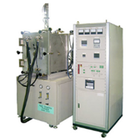
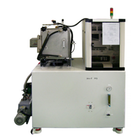
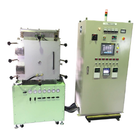
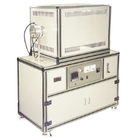
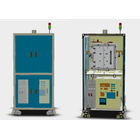
Check the specifications of the electric furnace needed for trial production and condition exploration.
Are you selecting electric furnaces for research and development solely based on maximum temperature? In research and development, particularly in material development, there are cases where you want to compare multiple conditions of temperature, time, and atmosphere while the firing conditions are not yet established. Additionally, challenges may arise such as having a small sample size, wanting to use atmospheres like N₂, Ar, H₂, NH₃, O₂, vacuum, or humidified air, and needing to check safety aspects like powder dispersion, gas generation, corrosion, and explosion limits. This document organizes the specifications that should be confirmed when considering electric furnaces for research and development, as well as guidelines for selecting furnace types based on purpose. ■ For selecting electric furnaces in the research and development and material development stages ■ For initial considerations in prototyping, condition exploration, and small-scale firing ■ For considering firing tests in multiple atmospheres ■ For organizing specifications before requesting estimates ■ Can be used as internal discussion material before equipment introduction Even at a stage where conditions are not yet determined, we will propose ways to proceed with firing tests and equipment specifications based on sample shape, temperature range, and atmospheric conditions.
basic information
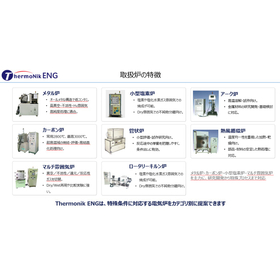
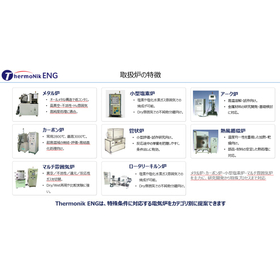
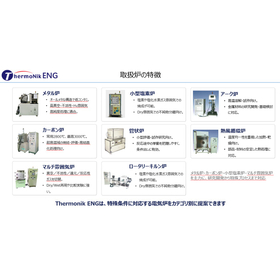
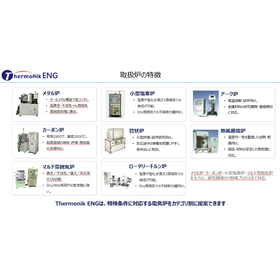
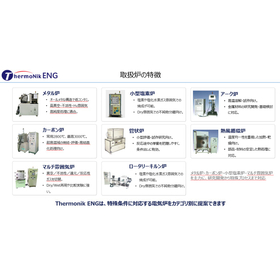
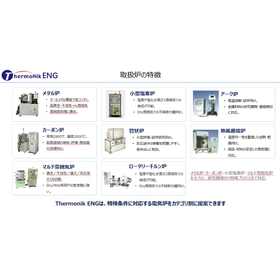
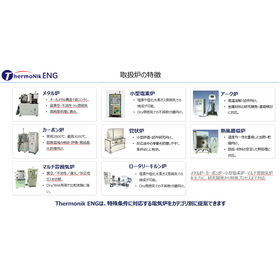
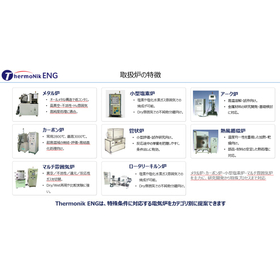
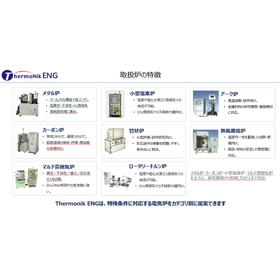
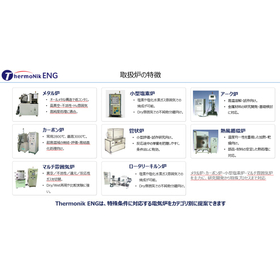
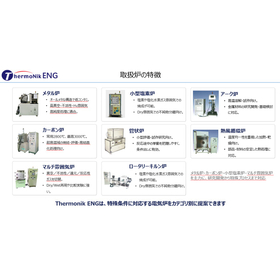
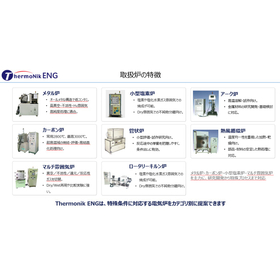
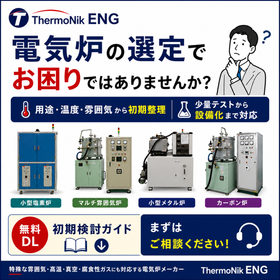
DL Data Publication Contents: Specification Review Checklist for Research and Development Electric Furnaces ■ Temperature Conditions Maximum temperature, operating temperature, heating rate, holding time, cooling conditions ■ Atmosphere Conditions Air, N₂, Ar, H₂, NH₃, O₂, vacuum, humidification, etc. ■ Sample Conditions Powder, substrate, jig, parts, filling amount, container material ■ Evaluation and Recovery Weight change, composition analysis, atmospheric exposure feasibility, dust countermeasures ■ Safety and Ancillary Equipment Exhaust gas, decontamination, leaks, pressure, gas supply system Guidelines for Selecting Furnace Types by Purpose: ■ Multi-Atmosphere Furnace: Condition exploration under multiple atmospheres ■ Tubular Furnace: Small sample and gas circulation tests ■ Metal Furnace: High vacuum and high purity sintering ■ Carbon Furnace: High-temperature treatment over 2000°C and graphitization ■ Small Chlorine Furnace: Treatment of corrosive gases such as Cl₂ and HCl
Price information
Estimates will be provided each time based on specifications, furnace type, temperature range, atmosphere, and safety measures.
Delivery Time
Applications/Examples of results
We recommend this kind of consideration. ■ Consideration for the new introduction of electric furnaces for research and development ■ Exploration of firing conditions in the material development and prototype stage ■ Confirmation of firing feasibility with small samples ■ Small-scale firing tests of powders, substrates, jigs, and components ■ Comparison of atmospheres such as Air, N₂, Ar, H₂, NH₃, O₂, vacuum, and humidification ■ Consideration of high vacuum and high purity firing, degassing, and oxidation suppression ■ High-temperature treatment over 2000℃, graphitization, and evaluation of carbon materials ■ Reaction evaluation using corrosive gases such as Cl₂ and HCl ■ Confirmation of powder scattering, gas generation, corrosion, explosion limits, and exhaust treatment equipment ■ Consideration of equipment specifications based on firing test results We are available for consultations starting from stages such as "conditions are not yet determined," "not sure which type of furnace to choose," or "want to evaluate prototypes with small samples."
catalog(1)
Download All Catalogs
Recommended products







Distributors
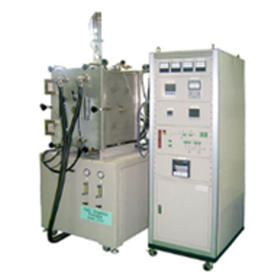
Our company integrates three technologies: "electricity," "equipment," and "chemistry," using our unique know-how to develop innovative heating furnaces and other equipment. We handle various electric furnaces (heating furnaces) such as carbon furnaces, multi-atmosphere furnaces, metal furnaces, and chlorine furnaces, leveraging our proprietary high-temperature electric furnace technology. We are not just an equipment manufacturer; we are a strategic development partner that supports innovative manufacturing with advanced heating, looking ahead to the standards of the next decade alongside our customers.