
Technical Data: Guide for Selecting Punching Tool (Die) Types
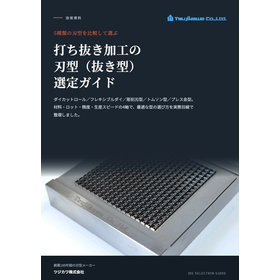
[To Production Technology and Purchasing] A comparison table organizing five types of features. A practical guide for selecting blade types based on materials, lots, and precision.
There are several types of blade shapes (cutting dies), each with different strengths in terms of materials, lot sizes, and precision levels. This document is a practical selection guide that summarizes the basic knowledge of blade shapes, the characteristics and comparisons of each type, and how to choose them.
basic information
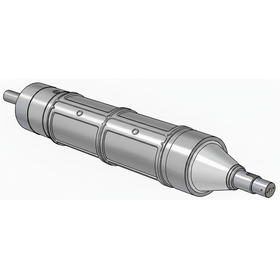
Die-cut roll / Flexible die / Engraved blade type / Thomson type / Press mold A comparison table organizing the features of five types. A practical guide for selecting blade types based on materials, lot sizes, and precision.
Price range
Delivery Time
Applications/Examples of results
Die-cut roll / Flexible die / Engraved blade type / Thomson type / Press mold Various die types are used to process materials such as paper, film, and non-woven fabric, producing items like seals, labels, paper packs, and face masks. We will guide you on which blade type is optimal based on the materials and manufacturing lot.
catalog(1)
Download All Catalogs
Recommended products

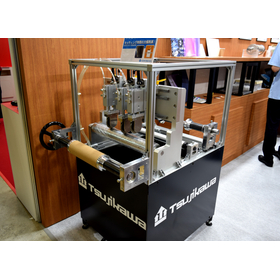
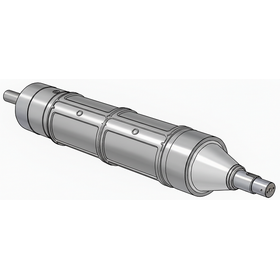


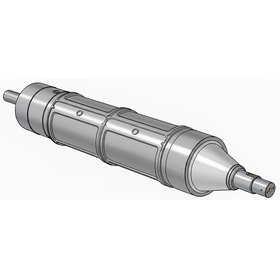
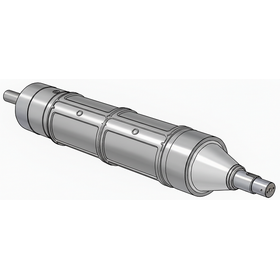

Distributors

After 100 years since its founding, Tsujikawa's core technology of "sculpting" has now evolved into "decorating technology," "cutting technology," and "shaping technology." These three technologies are used in various products, including cosmetics, toiletries, food, home appliances, and daily necessities, showcasing the results of Tsujikawa's technology in every aspect of life. While cherishing the traditional hand-carved sculptures created with chisels and hammers from the founding era, we continue to challenge ourselves with metal sculpting using machines such as sculpting machines and machining centers, as well as sculptural modeling utilizing 3D printers and five-axis machining. The fusion of craftsmanship passed down over the past 100 years and cutting-edge technology is Tsujikawa's strength. The technology we have cultivated is beneficial not only in Japan but also to people around the world. In recent years, Tsujikawa has expanded into five countries: China, Thailand, Indonesia, India, and Vietnam, in line with globalization. We provide high-quality products utilizing Tsujikawa's sculpting technology to both Japanese companies and local customers. In the next 100 years, we will continue to evolve and challenge ourselves with the mission of "beautifying and making the world comfortable through sculpting technology, enriching people's hearts and lives."