
[Problem Solving] Improving the misalignment of silk, pads, and foil stamping with high-precision receiving jigs.
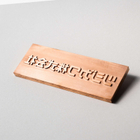
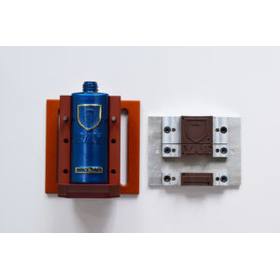
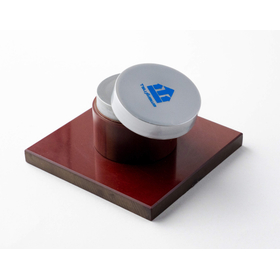
Improving printing misalignment and yield reduction caused by handmade jigs with high-precision receiving jigs | Silk printing, pad printing, hot stamping
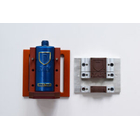
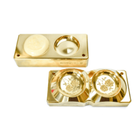
**What Happened with Handmade Jigs** In silk printing, pad printing, and hot stamping, the receiving jigs that hold the molded products in a fixed position and posture significantly affect the final result. Handmade jigs tend to have gaps and tilts in relation to the product shape, leading to misalignment and smudging of the print position. Before production, fine adjustments to position and height take time, and a certain number of defects occur during production. **Solution** We manufacture hot stamping plates and pad printing gravures in conjunction with jigs tailored to the target work. They are delivered in a state where the positional relationship between the plate and the jig is aligned. **Implementation Effects** With improved jig accuracy, the time required for alignment and fine adjustments before production has decreased, shortening the setup time before production begins. The stability of product holding has also reduced print misalignment, improving yield. Additionally, the smoother attachment and detachment of molded products have reduced the work time per piece, enhancing productivity.
basic information
We design according to the target work for printing, production line, and process.
Price range
Delivery Time
Applications/Examples of results
It is ideal for printing on resin molded products such as cosmetic containers, daily necessities, home appliances, and stationery.
catalog(2)
Download All Catalogs

Recommended products






Distributors

After 100 years since its founding, Tsujikawa's core technology of "sculpting" has now evolved into "decorating technology," "cutting technology," and "shaping technology." These three technologies are used in various products, including cosmetics, toiletries, food, home appliances, and daily necessities, showcasing the results of Tsujikawa's technology in every aspect of life. While cherishing the traditional hand-carved sculptures created with chisels and hammers from the founding era, we continue to challenge ourselves with metal sculpting using machines such as sculpting machines and machining centers, as well as sculptural modeling utilizing 3D printers and five-axis machining. The fusion of craftsmanship passed down over the past 100 years and cutting-edge technology is Tsujikawa's strength. The technology we have cultivated is beneficial not only in Japan but also to people around the world. In recent years, Tsujikawa has expanded into five countries: China, Thailand, Indonesia, India, and Vietnam, in line with globalization. We provide high-quality products utilizing Tsujikawa's sculpting technology to both Japanese companies and local customers. In the next 100 years, we will continue to evolve and challenge ourselves with the mission of "beautifying and making the world comfortable through sculpting technology, enriching people's hearts and lives."