
[Data] MR Safety Testing of Medical Devices



Provides guidelines for the steps manufacturers should take when assessing compliance with applicable technological standards to address anticipated regulatory challenges globally.
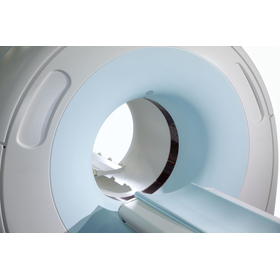
Magnetic Resonance Imaging (MRI) is an important medical technology that supports the diagnosis, treatment, and management of various diseases. On the other hand, potential hazards associated with MRI can interfere with the operation of medical devices that may be critical for life support, posing risks to the health and safety of patients, caregivers, and healthcare professionals. This white paper discusses the potential hazards associated with MRI use and the procedures that manufacturers of implantable medical devices should take to ensure the safe operation of their devices in an MR environment. Additionally, it outlines the current regulations applicable to implantable medical devices in the European Union (EU) and the United States, as well as specific tests that can help ensure the safe operation of implants and patient safety.
basic information
Content: - Mechanism of MRI technology - Medical device-related risks in the MR environment - Specific hazards related to MRI - Regulatory requirements for implanted devices in the MR environment - Consensus standards related to MR safety testing - Device-specific requirements - Labeling of implanted medical devices concerning MR safety - Testing guidelines for MRI safety compliance - Maintaining the latest technological standards
Price range
Delivery Time
Applications/Examples of results
For more details, please download the PDF or feel free to contact us.
catalog(2)
Download All Catalogs

Recommended products

Distributors

TÜV SÜD is one of the world's largest third-party testing and certification organizations headquartered in Germany, providing certification, inspection, testing, and evaluation services across a wide range of fields. The company's Japanese subsidiary, TÜV SÜD Japan, was established in 1993 to respond to the growing demand for quality and safety testing and certification in the Japanese market under TÜV SÜD's business framework. It offers various testing, certification, auditing, management system certification, and training services in a wide range of fields, including electrical and electronic equipment, healthcare and medical devices, industrial equipment, IT and AV equipment, 5G-related devices, food, automotive, railways, energy and plant equipment, chemicals and processes, and cosmetics.