
Light resistance test cleared! Prolonged lifespan achieved by adding UV-absorbing components to the IMD surface foil.
No material change is necessary. UV-absorbing components will be added to the double in-mold surface foil, and it will pass the light resistance test.
In cover lenses and automotive exterior panels, light stability that prevents yellowing and appearance deterioration due to long-term UV exposure is required. Yoshida Techno Works has established a method to incorporate UV-absorbing components into the surface film (surface foil) in the double in-mold process, granting light stability functionality simultaneously with molding. Since post-molding painting and coating processes are unnecessary, we achieve process reduction and cost reduction while passing light stability tests. In addition to our application results for BC7/VG4 cover lenses for Fujitsu Plastics/Rhythm Shoei, we also have a track record of proposing and passing tests for weather-resistant foils for automotive parts (K0F) for Honda Motor Co. The formulation of UV-absorbing components and film selection can be customized according to product requirements and testing standards.
basic information
For more details, please contact us.
Price range
Delivery Time
Applications/Examples of results
- Compatibility with light resistance testing for BC7/VG4 cover lenses for Fujimitsu Resin/Rhythm Shoei (double in-mold surface foil with UV absorption components) - Proposal and testing clearance for weather-resistant foil for automotive parts (K0F) for Honda Motor Co. - Panels for automotive and industrial use compatible with light resistance testing (xenon lamp irradiation)
catalog(2)
Download All Catalogs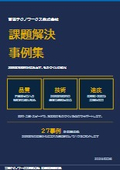
Recommended products


Distributors

**About Yoshida Techno Works** We are the world's first manufacturer to commercialize in-mold transfer molding, which utilizes plastic molding and decoration technology cultivated through cosmetic container manufacturing, allowing for simultaneous molding and transfer decoration. **Key Technologies** - Double in-mold molding that performs simultaneous decoration on both sides of the product - Hybrid molding that combines sheet inserts with in-mold techniques - Glass insert in-mold (GIM) molding that inserts reinforced glass into the mold, allowing for integrated molding of resin frames and decoration - Two-color in-mold molding that combines rotational two-color molding with in-mold transfer - Composite technology that integrates metal (such as SUS sheet metal and nuts) with in-mold molding - Real material (natural wood, fabric, synthetic leather, etc.) insert molding - Out-mold deep drawing decoration method (VSS) compatible with metal, glass, and resin