
Improvement of Quality through Oil Mist Environment Enhancement for the Automotive Industry


Solve the issues of oil mist, chips, and abrasives in the grinding process, achieving quality improvement and reduction in maintenance labor.
In the automotive industry, quality control in the manufacturing process is extremely important. In particular, oil mist, chips, and abrasives generated during the polishing process can negatively impact product quality. These substances can cause scratches on the product's surface or reduce the adhesion of coatings. Additionally, the working environment can deteriorate, increasing the risk to workers' health. Apiste's oil mist collector addresses these issues and contributes to improving product quality. 【Usage Scenarios】 - Polishing process - Cutting process - Other processes where oil mist, chips, or abrasives are generated 【Benefits of Implementation】 - Improved product quality - Enhanced working environment - Reduced maintenance workload
basic information
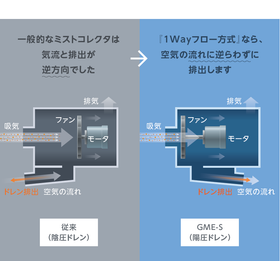
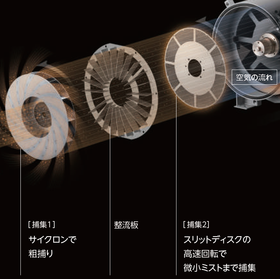
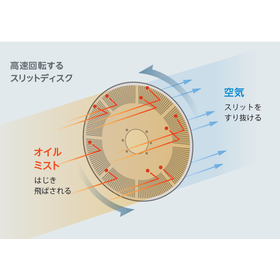
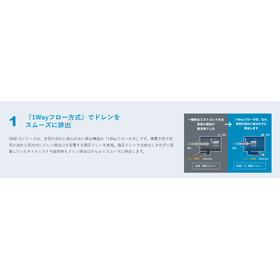
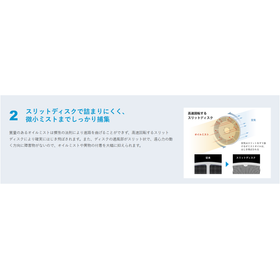
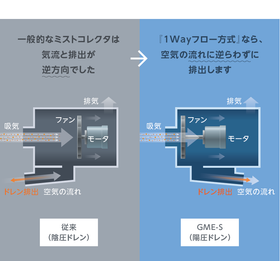
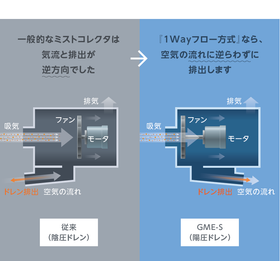
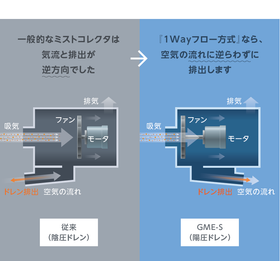
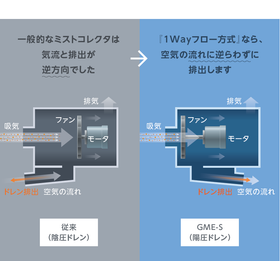
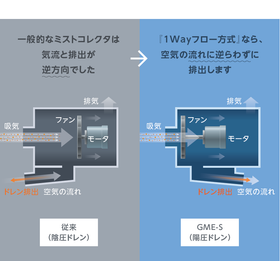
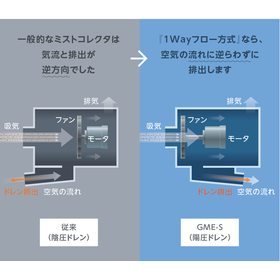
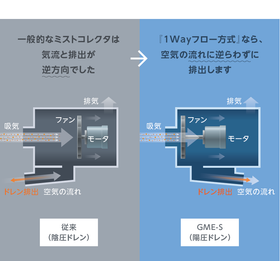
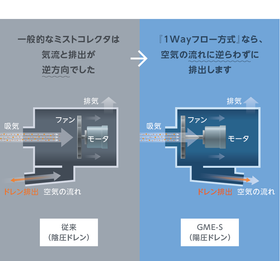
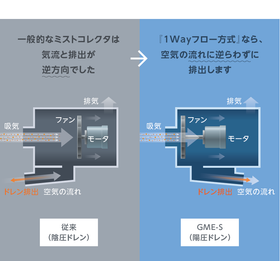
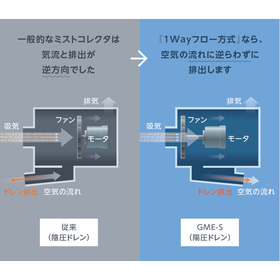
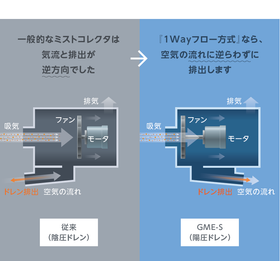
【Features】 - Adopts a "1-way flow system" that is less likely to clog the filter even when sucking up cuttings and abrasive particles. - Effectively collects oil mist and suppresses its dispersion within the factory. - Long maintenance cycle contributes to reduced labor costs. 【Our Strengths】 We develop and sell environmental improvement equipment, cooling equipment, and temperature control equipment, providing optimal solutions tailored to our customers' needs.
Price range
Delivery Time
Applications/Examples of results
For more details, please refer to the PDF document or feel free to contact us.
catalog(1)
Download All Catalogs
Recommended products


Distributors

"Apice," which means "peak" in Spanish. That peak represents "technology" = robust development capabilities, "product" = unmatched high quality, "sincerity" = human service. This spirit, depicted in the clear blue sky, has taken shape in reality, becoming distinctly outlined. And, looking further ahead. What lies in our vision is already the blue sky of the future. Aiming for a new peak.