
Laminated Forming Block L-cube that can be machined with mass-produced pellets.


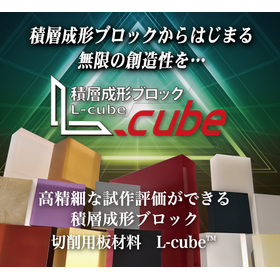
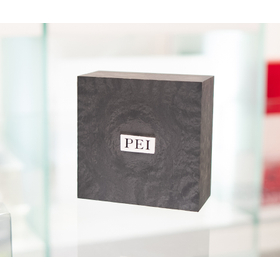
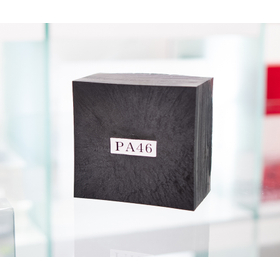
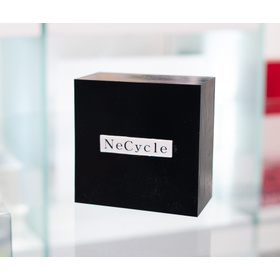
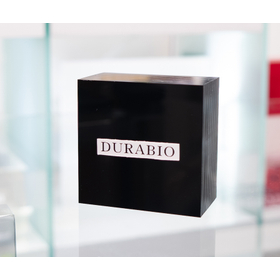
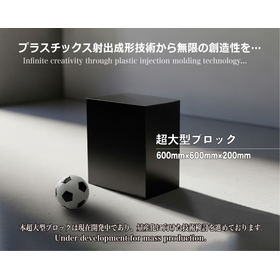
Produced from mass production pellets. No mold required, achieving cutting prototypes and evaluations close to mass production quality!
You can process cutting prototypes used in the development stage with laminated molding blocks made from resin pellets that are actually used in mass production. This minimizes the physical property differences between prototypes and mass-produced items, enabling reliable evaluations with short lead times and no need for molds. We accommodate a wide range of high-performance resins, including ABS, PC, PMMA, PEEK, and COP. 【Are you facing any of these issues?】 ■ I want to create cutting prototypes using the material of the finished product, but I couldn't obtain cutting plastic sheet materials... ■ I had to use alternative materials to create prototypes... ■ Because it was an alternative material, I couldn't evaluate it with the correct specifications... Our laminated molding block L-cube️ solves the above concerns. We create custom solutions tailored to your needs. We can provide high-quality cutting prototype sheet materials without the need for molds. *We have many successful cases. For more details, please check "Download Catalog."
basic information
A list of trial resin board materials is currently being offered! For more details, please download and view the PDF.
Price range
Delivery Time
Applications/Examples of results
For more details, please refer to the PDF document or feel free to contact us.
Detailed information
-
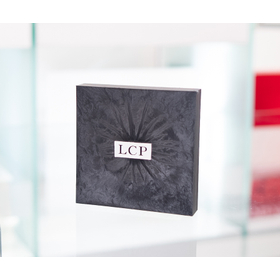
LCP (Liquid Crystal Polymer) LCP resin is used in automotive electrical components due to its heat resistance and flame retardancy. Its high fluidity leads to a high demand for connectors and relays with thin-walled parts. By reinforcing with about 30-40% glass fiber, the load deflection temperature can rise to approximately 270-310°C, making it suitable for precision parts.
-
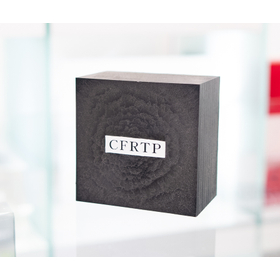
CFRTP (Carbon Fiber Reinforced Thermoplastic) is a type of fiber-reinforced plastic that uses carbon fiber as a reinforcement material and thermoplastic resin instead of thermosetting resin as the matrix. It has a strength that is ten times that of steel while being approximately one-fourth the weight, making it lightweight. The molding process is shortened, and it allows for press processing and fusion bonding, achieving significant improvements in productivity and low costs.
-
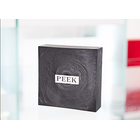
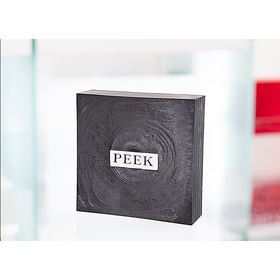
PEEK (Polyether Ether Ketone) is widely used in the electrical and electronic fields, automotive industry, and aerospace sector. It has a heat resistance temperature of 260°C and can withstand up to about 300°C for short periods, and it also possesses high mechanical strength comparable to metals. It has high resistance to a wide range of chemicals and does not undergo discoloration or dissolution (except for concentrated sulfuric acid, among others).
-
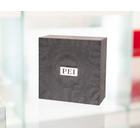
PEI (Polyetherimide) PEI resin is widely used as a material for resin machining in the medical device industry, taking advantage of its properties that allow for repeated sterilization due to its strong resistance to high-pressure steam and radiation. It also has high heat resistance (continuous use temperature of 170°C and glass transition temperature of 216°C), as well as excellent weather resistance and radiation resistance, making it less prone to degradation. It is also used in automotive engine parts, semiconductor-related applications, and aerospace components.
-
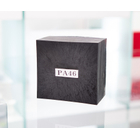
PA46-CF15 (Polyamide) has high mechanical properties in high-temperature environments and superior wear resistance compared to other PAs. It has higher heat resistance (strength and rigidity at high temperatures), impact resistance, as well as excellent chemical resistance, oil resistance, and insulation properties compared to PA66. It is used in electrical and electronic applications, office equipment, and automotive parts.
-
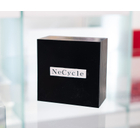
NeCycle is a high-performance bio-material that primarily uses cellulose, a non-edible biomass, as its main raw material (about 50%), while also possessing resin properties that can be utilized in electronic devices and other applications. It contributes to carbon neutrality by reducing CO2 emissions during manufacturing by approximately 40% compared to similar materials (PC resin, ABS resin). NeCycle has excellent antibacterial and antiviral properties, and unlike those that have antibacterial agents applied or added, it has inherent antibacterial and antiviral effects that persist even after aging.
-
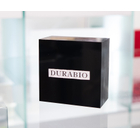
DURABIO is a bioengineering plastic primarily made from plant-derived isosorbide. Compared to polycarbonate resin, it features high transparency and excellent optical properties, as well as superior scratch resistance and impact resistance comparable to polycarbonate resin. Although it is a plant-derived polymer, it is not a biodegradable polymer and is used in a wide range of fields, including optical and energy-related components, alternative materials for high-performance glass, and housings and interior/exterior materials for electronic devices and automobiles.
-
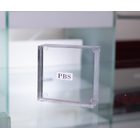
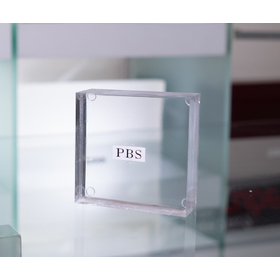
PBS (Polybutylene Succinate) is a biodegradable plastic that naturally decomposes into water and carbon dioxide through the action of microorganisms in the soil. It can be used at temperatures close to 100°C, making it highly heat-resistant among biodegradable plastics. Additionally, it has high compatibility with fibers and is gaining attention as a versatile biodegradable plastic with excellent moldability.
-
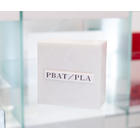
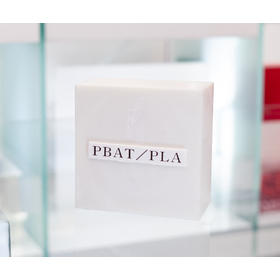
PBAT/PLA (Polybutylene Adipate Terephthalate/Polylactic Acid) PBAT/PLA is a resin made by mixing PBAT and polylactic acid (PLA), and it is one of the biodegradable plastics. Practical applications as a biodegradable soft film are progressing. In Europe, it is used for items such as shopping bags and agricultural applications. The market is expanding due to its relatively low cost and good processability.
Related Videos
catalog(3)
Download All Catalogs

Recommended products


Distributors

Asahi Moldings Co., Ltd. is a manufacturer engaged in the development and production of super engineering plastics, engineering plastics, and plastic products. We are advancing the creation of high-quality products based on the plastic injection molding technology we have cultivated over the years. Our "Asahi Molding Production System," based on 56 years of experience in resin molding production systems, reliably meets the needs of our customers who want to request "what they need, when they need it, and in the quantity they need." The Asahi Molding production system accepts orders from any stage of the process.