
[Data] EV Fire Blanket
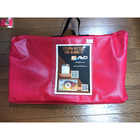
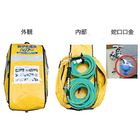
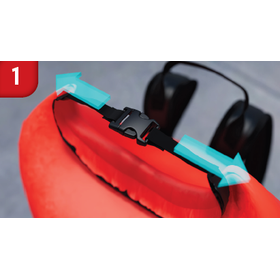
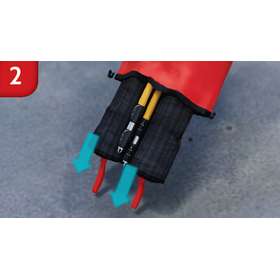
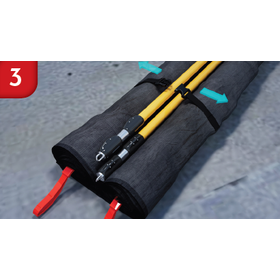
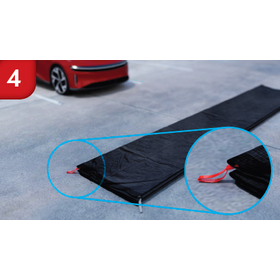
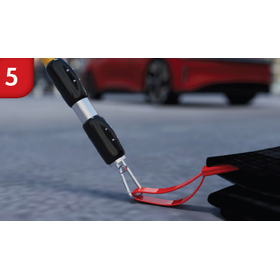
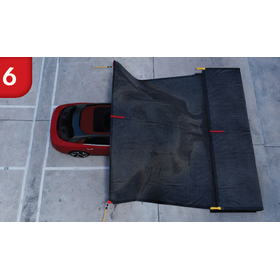
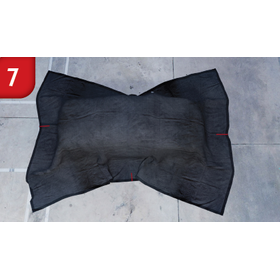
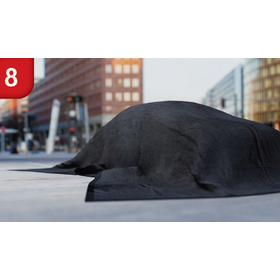
A procedure for closely adhering to minimize air gaps! EV Fire Blanket Deployment Guide
This document explains the procedures and know-how for tightly covering a vehicle. Since the person deploying the cover cannot see the entire area, it emphasizes the importance and background of having a designated person confirm the surroundings and the position of the center mark while proceeding. The task is carried out by a total of three people: two workers and one supervisor, and it summarizes the steps for deploying the cover in a seamless manner. 【Contents】 ■ Starting position and retrieval procedure for deployment ■ Connection and preparation of deployment poles ■ Confirmation and covering procedure by the supervisor *For more details, please download the PDF or feel free to contact us.
basic information
【Other Published Content】 ■Implementation Structure: A total of 3 people, including 2 workers and 1 supervisor *For more details, please download the PDF or feel free to contact us.
Price range
Delivery Time
Applications/Examples of results
For more details, please download the PDF or feel free to contact us.
catalog(1)
Download All Catalogs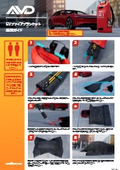
Recommended products
Distributors
For about 40 years at a fire equipment company, I worked on residential fire prevention outside of regulatory frameworks for the last 13 years. I developed Japan's first "initial extinguishing device using tap water," the "Street Fire Hydrant," and later the backpack-type "Street Fire Harrier," obtaining public evaluations and patents to promote their use. By the end of July 2024, we have achieved a total of 1,140 units installed, primarily in traditional building preservation districts and around cultural properties, focusing on municipalities, voluntary disaster prevention organizations, and neighborhood associations. Unlike regulatory fire equipment, these products are persuasive in nature, so the delivery takes time, but there have been successful cases in actual fires, which have been well received. Six years ago, after retiring at the mandatory retirement age for executives, I established a company in hopes of expanding business with a certain equipment manufacturer, but due to the nature of the products, it did not go well, and I liquidated the company last year, continuing my previous business as a sole proprietor. The production system for the products, installation, renovation work, and inspection services are still being outsourced as before. Additionally, for the past three years, I have been collaborating with a certain fire equipment manufacturer, metal-related associations, and research institutions to work towards domestic production (sales) of a new extinguishing agent (AVD extinguishing agent: made in the UK). The intended use for this agent is for lithium-ion battery fires and metal fires. This issue is still an area where regulatory solutions are insufficient.