
Wood Plastic Composite (WPC) for Automotive Parts
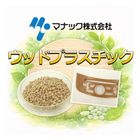

Contributing to the lightweighting of automobiles with WPC, which balances the texture and lightweight properties of wood.
In the automotive industry, reducing vehicle weight is a crucial challenge for improving fuel efficiency and minimizing environmental impact. Weight reduction also contributes to enhanced vehicle performance. By replacing traditional metal parts with lightweight and durable WPC, we can address these challenges. 【Application Scenarios】 - Interior parts (door trims, dashboards, etc.) - Exterior parts (bumpers, grilles, etc.) - Other parts where weight reduction is required 【Benefits of Implementation】 - Improved fuel efficiency due to vehicle weight reduction - Increased durability of parts - Greater design flexibility
basic information
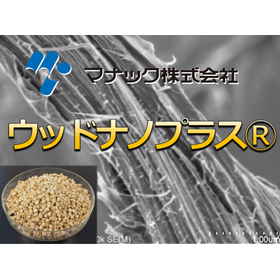
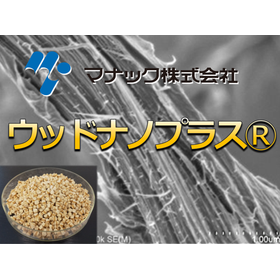
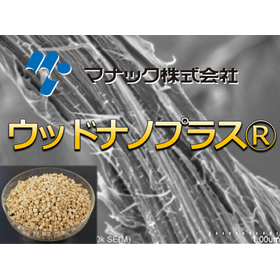
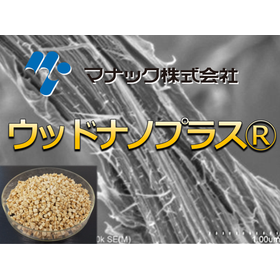
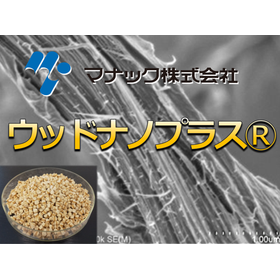
【Features】 - Natural texture derived from wood - Lightweight - High moldability - High durability - Recyclability 【Our Strengths】 We are a company that supplies raw materials to various advanced technology industries, including flame retardants. By integrating the organic synthesis technology, material design technology, and compound technology we have developed over many years, we are also focusing on the development of WPC materials. We provide material solutions tailored to our customers' needs.
Price range
Delivery Time
Model number/Brand name
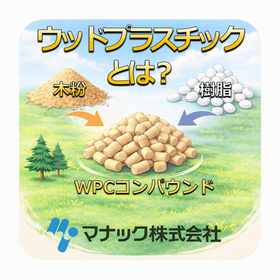
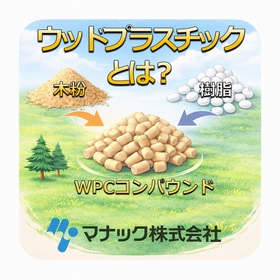
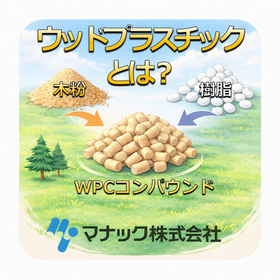
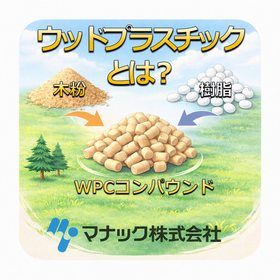
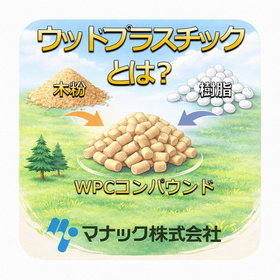
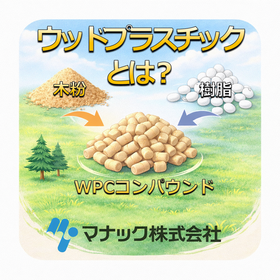
Basic Knowledge and Technical Explanation of Wood Powder and Resin Combinations
Applications/Examples of results
Building materials, home appliances, daily necessities Discussions on adoption are also progressing in relation to automotive parts.
catalog(1)
Download All Catalogs
Recommended products












Distributors

Our company supplies raw materials to various advanced technology industries, including flame retardants, pharmaceuticals, veterinary medicines, food additives, photographic sensitizers, high-performance materials, dyes, and fragrances. We focus our business on flame retardant, fine chemicals, and health support sectors, and in recent years, we have also been engaged in the wood plastic composite (WPC) business, which is gaining attention as an environmentally friendly material. By integrating our long-developed organic synthesis technologies, including bromination and iodination, material design technologies, and compounding technologies, we respond to the high functionality of various materials as a partner in advanced technology industries such as electronics, information, and pharmaceuticals. Additionally, we are focusing on the development of WPC materials utilizing wood resources, proposing new material solutions that leverage characteristics such as lightweight, high rigidity, and reduced environmental impact. In the future, we will further strengthen our proposal-based research and development, aiming to expand our business through downstream product development and high added value. Please leave the development of raw materials and functional materials to us.