
[Case Study] Defect Risks in the Design Phase
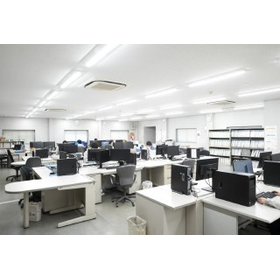
Solve issues such as discovering defects after completion and changes in design!
At Seiko Industrial, we make proposals during the design phase from the perspective of the manufacturing site to prevent distortion and processing defects before they occur. We solve issues such as distortion occurring when following the drawings, design changes arising, and discrepancies between prototypes and mass production. We simultaneously achieve quality improvement and reduction of rework. 【Customer Challenges and Requests】 ■ Defects are discovered after completion ■ Distortion occurs when following the drawings ■ Design changes arise ■ Discrepancies between prototypes and mass production ■ Difficulty in predicting man-hours and costs *For more details, please download the PDF or feel free to contact us.
basic information
【Technical Innovations】 ■ Structural proposals considering distortion ■ Optimization of plate thickness and shape ■ Design feedback based on the process ■ Specification considerations with mass production in mind ■ Balanced design of cost and quality *For more details, please download the PDF or feel free to contact us.
Price range
Delivery Time
Applications/Examples of results
For more details, please download the PDF or feel free to contact us.
catalog(1)
Download All Catalogs
Recommended products
Distributors

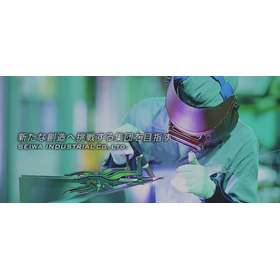
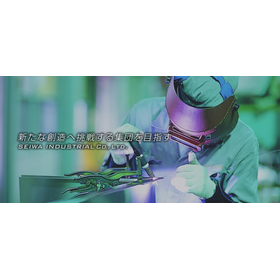
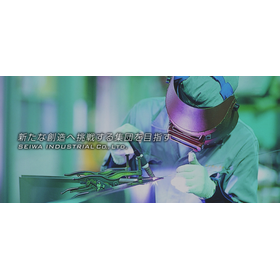
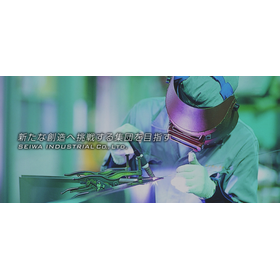
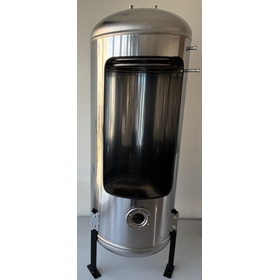
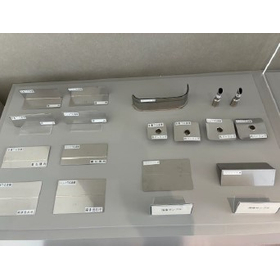
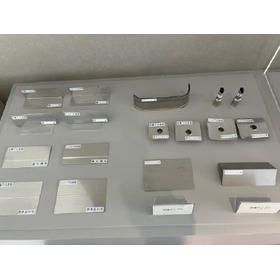
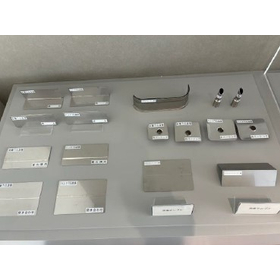
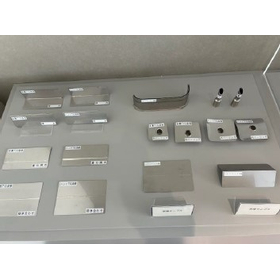
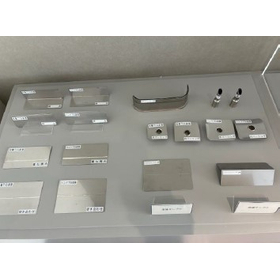
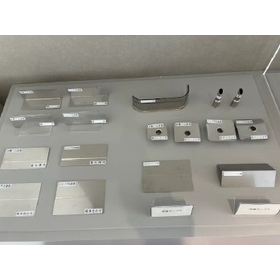
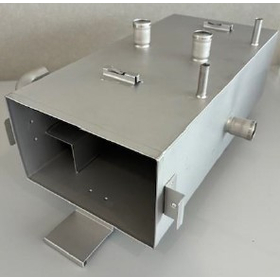
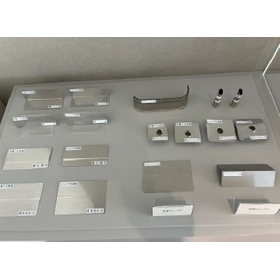
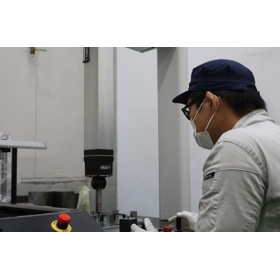
Our company primarily focuses on welding processing of stainless steel sheets ranging from 0.3mm to 1.5mm, making it the core of our technology, and we have been dedicated to producing products that require precision and quality. We particularly excel in TIG welding of thin stainless steel and are optimizing both welding conditions and process design to address challenges such as distortion due to heat, melting, and appearance defects. In thin sheet welding, fine adjustments to conditions based on material properties, shapes, and required functions significantly influence quality. We conduct welding management that emphasizes the melting state and bead shape, achieving a balance between appearance quality and functional quality. We also ensure stable quality for areas requiring airtightness and durability. Additionally, we provide proposals from a manufacturing perspective that considers weldability from the design stage, suggesting optimal structures that take into account not only quality but also processability and reproducibility. We consistently support our customers' product development and manufacturing as a partner focused on solving technical challenges, from prototyping to mass production.