
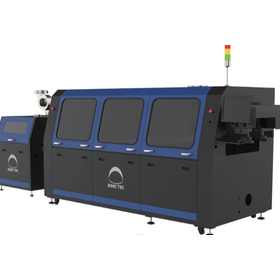
Inline selective soldering device "SELEX-400"


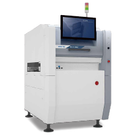
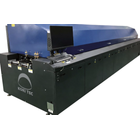
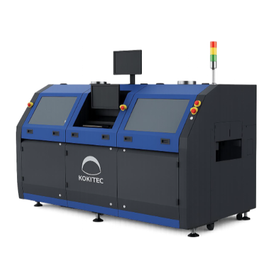
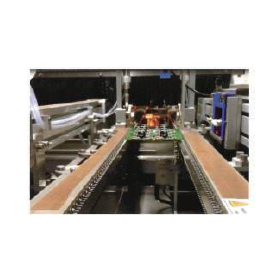
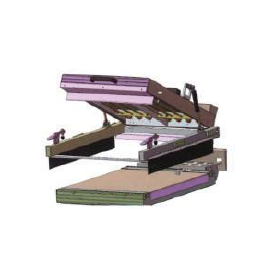
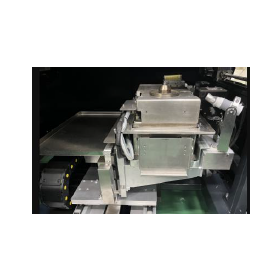
Independent parameter settings are possible at each point with high-efficiency preheating combinations!
The "SELEX-400" is an inline selective soldering device capable of high-precision control and solder volume management, as well as soldering in an N2 atmosphere. The minimum application diameter is 3mm. Compared to conventional full-area spraying, throughput efficiency has improved. Additionally, by combining upper and lower heaters, a uniform temperature distribution across the entire circuit board has been achieved. 【Features】 ■ Stable quality with high-precision flux application ■ Independent parameter settings at each point enabled by high-efficiency preheating combinations (lower infrared, upper hot air, optional) ■ Supports online/offline editing ■ Real-time monitoring of soldering conditions throughout the entire process *For more details, please download the PDF or feel free to contact us.
basic information
【DIP Unit Specifications (Partial)】 ■ Solder setting temperature range: up to 360℃ ■ Soldering temperature: 260–300℃ (reference value) ■ Solder pot material: cast iron ■ N2 setting temperature range: up to 450℃ ■ Transport method: roller transport *For more details, please download the PDF or feel free to contact us.
Price range
Delivery Time
Applications/Examples of results
For more details, please download the PDF or feel free to contact us.
catalog(1)
Download All Catalogs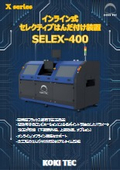
Recommended products


Distributors

In the 1980s, surface mount components that responded to the miniaturization of electronic products emerged, and we designed and sold "adhesive curing devices" to coincide with the sale of adhesives for temporarily fixing chip components. We also established a double wave flow soldering method and designed and sold "flow soldering devices compatible with mixed chip components," using Koki flux, which maintains high soldering quality. In the 1990s, with the spread of the concept of environmental conservation, there was a demand for mounting technologies in the manufacturing processes of electronic products that do not adversely affect the environment. To respond to this background, we engaged in the development of solder flow methods applicable to no-clean flux for electronic substrates and the design and sale of "alternative fluorocarbon cleaning devices" compatible with non-fluorocarbon cleaning. In recent years, to meet the demand for "lead-free soldering methods" since 1998, we have been striving to develop technologies for lead-free "flow soldering devices," "reflow devices," and "partial/local dip devices" that can ensure soldering quality on par with conventional "tin/lead solder mounting."