
[Seralabel SL-GZ Case Study] Stable Operation of AGV Lane Control

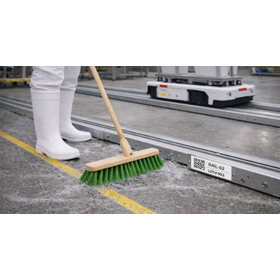
Not only is it resistant to heat and steam, but it is also strong against wear from light brushing! It can be incorporated without changing the cleaning method.
In a food processing factory, "Cerra Label SL-GZ" was adopted for the control device, achieving successful stops at each transportation location. Automated guided vehicles (AGVs) were introduced, and a two-dimensional code was adopted for their operational control. However, there were concerns about the peeling of general labels due to the specific environment and their resistance to chemical cleaning. The GZ, among the SL series, features a surface reinforcement treatment that protects the printed surface, allowing for precise material transport for each lane and contributing to the smartification of the process. 【Case Overview】 ■ Installation Location: AGV Lane Control Device ■ Product: Cerra Label SL-GZ ■ Challenge: Concerns about label peeling due to the specific environment of food processing (such as steam) and resistance to chemical cleaning with general labels. *For more details, please download the PDF or feel free to contact us.
basic information
【Solution/Benefit】 ■ Solves the above problems with the highly durable Cerlabel SL-GZ ■ Implemented without changing cleaning methods ■ Contributes to the smart (unmanned) operation in food processing plants *For more details, please download the PDF or feel free to contact us.
Price range
Delivery Time
Applications/Examples of results
For more details, please download the PDF or feel free to contact us.
catalog(1)
Download All Catalogs
Recommended products


Distributors

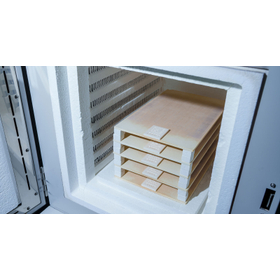
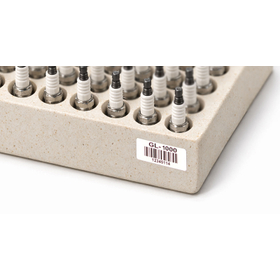
SigmaX's barcode labels, made from materials such as ceramic, stainless steel, aluminum, fluororesin, and carbon materials, are used for production management and process management. They greatly contribute to the automation of industrial production, which was previously considered impossible to manage, as well as to the digitization of information related to the history and management of products in that field.