
All products and services
181~210 item / All 272 items
-
Loss of "chemical treatment function": Warning of frequent rust occurrence
The white rust on aluminum die casting is caused by the deterioration of the chemical treatment solution. Have you replaced the treatment solution?
last updated
-
Uncontrollable "drying conditions": Risk of uneven gloss occurrence
The uneven gloss of aluminum die-cast coating is mainly caused by the drying temperature. Have you fundamentally improved the drying process?
last updated
-
Failure of "Environmental Management": Warning of Rapid Increase in Foreign Substance Contamination
Environmental pollution from aluminum die-casting factories leads to foreign matter contamination. Is environmental improvement urgent?
last updated
-
Color unevenness of "thickness variation": A crisis of quality collapse.
The color unevenness in aluminum die-cast painting is caused by inconsistent film thickness. Have you checked the spray pressure?
last updated
-
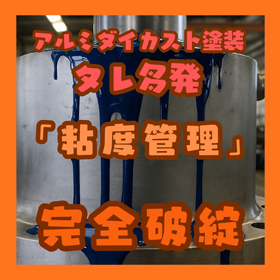
The breakdown of "viscosity management": A serious situation with frequent drips.
The cause of the aluminum die-cast coating defects is viscosity management. Have you conducted a review?
last updated
-
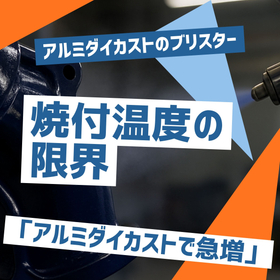
The limit of "baking temperature": The true culprit behind the sudden increase in blisters.
The blistering of the aluminum die-cast coating is mainly due to the curing conditions. Did you check the process?
last updated
-
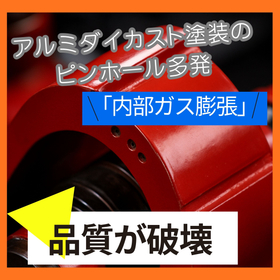
The truth behind the frequent occurrence of pinholes caused by "internal gas expansion."
Occurrence of pinholes due to internal gas in aluminum die casting. Is the baking treatment sufficient?
last updated
-
The 'voids during casting' are the cause of poor adhesion: measures are urgently needed.
The poor adhesion of aluminum die-cast coating is caused by gas holes. Have you implemented fundamental countermeasures?
last updated
-
Warning of "thermal expansion difference" in dissimilar metal pinholes.
Dissimilar metals cause pinhole formation due to differences in expansion. The adoption of low-temperature curing paint is a countermeasure.
last updated
-
Crying over the pinholes in the aluminum anodizing "seal hole treatment."
The occurrence of pinholes in anodized aluminum is related to sealing conditions. Adjusting to the painting specifications is important.
last updated
-
The culprit was the "solvent congestion" of the pinholes in the molten zinc coating.
Dop plating has a low volatility of the paint solvent. Sweep blasting is effective.
last updated
-
The copper pinhole is crying due to "idle time."
Copper materials oxidize quickly, so they should not be left unattended. Immediate painting after polishing maintains adhesion.
last updated
-

All about "internal gas" pinholes in die casting.
The pinholes in die casting are caused by internal gas expansion. A dry burning treatment is effective.
last updated
-

Stainless steel pinholes collapse due to "thickness miscalculation."
The cause of pinholes in SUS coating is excessive film thickness. Solvent cannot escape, leading to the formation of holes.
last updated
-
The culprit is the brass pinhole "oxidation left unattended."
The brass pinholes are caused by oxidation reactions. The adhesion of the paint immediately after polishing is crucial.
last updated
-
Crying over the iron pinhole "red rust."
The pinholes in the steel material are caused by fine red rust. Rapid painting after blasting is important.
last updated
-
The culprit was the pinhole "white rust" from the galvanized coating.
White rust from zinc plating is the cause of pinholes. Management of storage conditions and surface treatment is essential.
last updated
-
All about aluminum pinholes "insufficient drying"
The pinholes in aluminum coating are caused by insufficient drying. It is important to treat the surface to allow internal moisture to escape.
last updated
-
Dissimilar metals were causing delamination due to "differential expansion."
Explanation of the causes and countermeasures for paint peeling due to thermal expansion differences between dissimilar metals.
last updated
-
The anodizing process's "sealing treatment" influenced the peeling.
Explanation of poor paint adhesion due to sealing conditions after anodizing treatment.
last updated
-
Dop plating was causing delamination due to "surface reactions."
Explaining paint peeling due to surface reactions of molten zinc coating and countermeasures.
last updated
-
Copper plating accelerated delamination due to the "oxidation rate."
Explanation of poor paint adhesion due to oxidation reactions of copper materials and countermeasures.
last updated
-
Die casting was experiencing delamination due to "internal gas."
Explanation of the causes of paint peeling and blistering defects due to internal gas in die casting.
last updated
-
The SUS coating was hindered by the "passivation film" from adhering properly.
Explanation of measures against poor adhesion and peeling due to the unique passive film of stainless steel.
last updated
-
The brass coating was experiencing peeling due to a "discoloration reaction."
Explanation of measures to prevent paint peeling due to the unique oxidation and discoloration reactions of brass.
last updated
-
The iron coating was causing "red rust" to peel off.
Explanation of the causes of paint peeling due to red rust and substrate corrosion of iron materials, and methods for improvement.
last updated
-
The zinc plating was compromised by "white rust."
Explanation of the causes and countermeasures for paint peeling due to white rust and surface deterioration of galvanized steel.
last updated
-
The aluminum coating was caused by the "oxidation film" peeling off.
Explanation of countermeasures for poor adhesion and paint peeling due to the unique oxide film of aluminum.
last updated
-
Defect of adhesion called chipping
An expert at finding defects.
last updated
-
Investigating the culprit of poor hardening: temperature? time? Or is it the formulation?
Choose from three suspects.
last updated