
All products and services
1~30 item / All 302 items
-
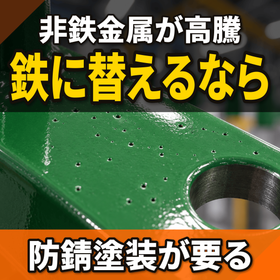
Does replacing the material with iron cause rust? Rising non-ferrous prices and anti-rust coatings.
Non-ferrous metals such as copper rose by 43 percent year-on-year in August 2026. This explains the concept of anti-corrosion coatings necessary when replacing materials with iron.
last updated
-
What are the reasons for a sudden stop by the painting subcontractor? Preparing for an increase in bankruptcies.
From January to April 2026, there were 48 bankruptcies in the painting industry, an increase of 26 percent compared to the previous year. An explanation on how to prepare for sudden loss of subcontractors is provided.
last updated
-

When interest rates rise, do paint costs decrease? The relationship between the yen exchange rate and raw materials.
The Bank of Japan raised the policy interest rate to 1.25 percent in September 2026. This explains how changes in the yen exchange rate will affect the cost of paint raw materials and outsourcing for painting.
last updated
-
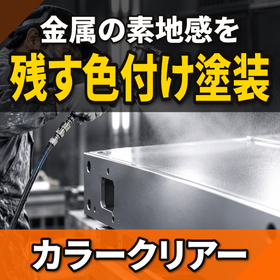
How to add color while utilizing the metal's base? Color clear coating.
I want to add my favorite color while keeping the metallic texture. Color clear coating is the solution to such requests. Here are three conditions that determine the finish.
last updated
-

What causes the paint to remain sticky after delivery? How to identify insufficient curing.
The surface of the received painted item is sticky and sticks together when stacked. The cause is insufficient baking temperature or time. Here is a simple confirmation method that can be done upon receipt.
last updated
-
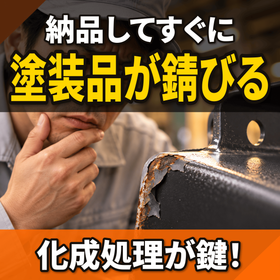
What causes painted products to rust immediately after delivery? Chemical treatment and film thickness at the corners.
Rust appeared on the painted products shortly after delivery. The cause is related to the chemical treatment during pre-processing and insufficient film thickness at corners and holes. This explains how to identify the issue and the countermeasures.
last updated
-
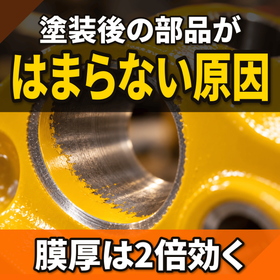
What causes parts not to fit after painting? Film thickness and masking.
After painting, the pin does not fit into the hole and does not fit into the corresponding part. The cause is the thickness of the paint film. This explains the masking and film thickness that should be specified in the drawings.
last updated
-
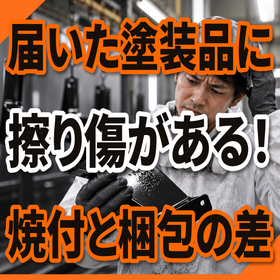
What is the cause of the scratches on the received parts? Review of burning and packaging.
When the painted product arrives, there are scratches and marks from the packaging material. The causes can be not only due to transportation but also insufficient curing or cooling. Here’s how to identify them.
last updated
-
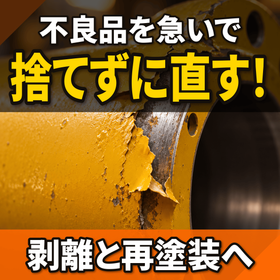
How to quickly repair peeled paint? The process of stripping and repainting.
Parts that were halted from delivery due to poor painting can be stripped and repainted instead of being discarded. This article explains how to choose a stripping method and the process leading up to repainting.
last updated
-

What are the reasons for not being able to find a subcontractor for painting? The three conditions for parts that get rejected.
I can't find a company that can do the painting. The reason for being turned down is that the size, quantity, and material of the parts do not match the equipment. Here's an explanation of how to make requests that are less likely to be declined.
last updated
-

What causes lumps in paint that has been stockpiled? Management of storage expiration.
Sites that secured an excess of paint due to supply concerns in spring 2026 should be cautious. Paint that has been stored for a long time may settle or thicken, leading to clumping and color variations.
last updated
-
What is the cause of the increase in defects when reducing thinner? Management of dilution ratio.
Since the price increase of thinner in spring 2026, prices have remained high. This explains the defects that arise from saving on thinner and how to maintain the dilution ratio.
last updated
-

What causes paint to peel when it gets cold in the morning and evening? Condensation on parts.
As October begins and the morning and evening temperatures start to drop, condensation occurs on the cooled parts, leading to peeling and rust. This explains the seasonal transition point.
last updated
-

What causes the color of color clear to differ in parts? Film thickness and substrate.
The color clear that enhances the metallic texture has differences in color that directly correspond to the film thickness and the underlying layer. This explains the management of color matching.
last updated
-

What causes paint to wrinkle after baking? Thick application and sudden heating.
When taken out of the curing oven, the surface of the coating film is wrinkled. This explains the cause of the "shrinkage," where only the surface hardens first, as well as the management of coating thickness and temperature rise.
last updated
-

What causes peeling in tape tests? Understanding the grid pattern and pre-treatment.
When tape is applied to the grid and then removed, the coating comes off. The way it peels can help identify whether the cause is due to degreasing, chemical treatment, or baking.
last updated
-

What causes only thick parts to be sticky? Temperature of the material and curing time.
Thin parts are fine, but thick parts remain sticky even after baking. The cause is not the furnace temperature, but how the parts themselves heat up.
last updated
-

What causes metallic to have a striped pattern? The movement of the gun and the overlap width.
The appearance of stripes and mottling in metallic paint is due to the uneven arrangement of aluminum particles. This explains the management of the overlap width and distance during spraying.
last updated
-

What causes holes and dents in paint? How to distinguish between pinholes and skips.
Small holes and round dents may look similar, but their causes are different. This explains the points for distinguishing between pinholes and dents on-site, as well as the countermeasures.
last updated
-

What causes paint blistering to recur? Three culprits revealed by the contents.
If you split open the bulge and look inside, you will understand the cause. This explains how to distinguish between three patterns: water, rust, and cavities, as well as points to reconsider in the process to prevent recurrence.
last updated
-
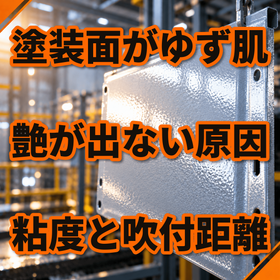
What causes a painted surface to have a citrus peel texture and lack gloss? Spraying conditions.
The painted surface is uneven like an orange peel, and the gloss is blurred. The cause is the balance of the paint's viscosity, spray distance, and air pressure.
last updated
-
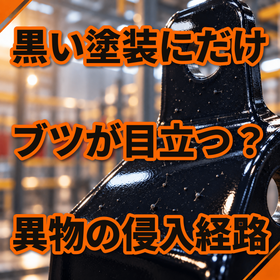
What is the reason for the prominence of objects with only black paint? The pathway for foreign substance intrusion.
Even on the same line, defects in products increase only with black or dark colors. The cause is not the color, but the entry route of foreign substances. This explains how to manage and reduce defects.
last updated
-

What causes the paint film to blister a few days later? Management of wash water.
There was no problem at the time of shipment, but a few days later, the paint film swells like blisters. The cause is the salt remaining in the washing water from the pretreatment.
last updated
-

What is the reason why the same defect keeps coming back no matter how many times I convey it? The key to correction.
Although the countermeasure document arrives, the same defect arrives again. The cause is that the countermeasures have not been implemented down to the conditions of the process. This explains how to proceed with corrections with the subcontractor.
last updated
-
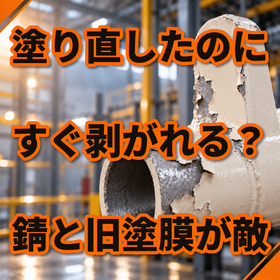
What is the cause of peeling off quickly even after repainting? Removal of old paint film and rust.
Even if you repaint the peeled parts from above, they will peel again. The cause is the remaining old paint film and rust. The concept of stripping to avoid failure in repainting.
last updated
-
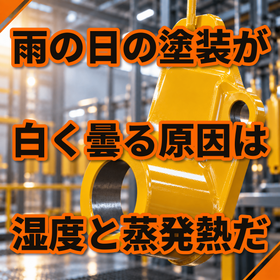
What causes paint to appear white and cloudy on rainy days? Humidity measures for autumn.
During the long rainy season in autumn, if you paint under the same conditions as on sunny days, the paint film will appear white and cloudy. The cause is humidity and the heat of solvent evaporation. This explains the transition points of the seasons.
last updated
-

What is the reason for the confusion about whom to ask for measurements at the painting site? October's legal amendments.
On October 1, 2026, regulations for the prevention of organic solvent poisoning will be revised. We will organize what changes will occur in personal exposure measurements at painting sites from a practical perspective.
last updated
-
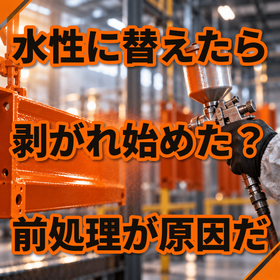
What causes peeling when switching to water-based paint? The difference in pre-treatment.
The rise in thinner prices is accelerating the switch to water-based paints. This explains the reasons why switching while keeping the same pre-treatment can lead to peeling, as well as the points to check during the transition.
last updated
-
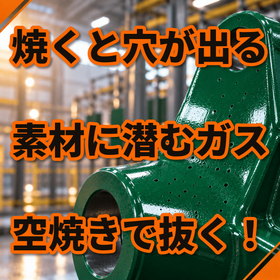
What causes small holes to appear after firing? Gas release from the material.
Right after painting, it looks beautiful, but after curing, small holes appear. The cause is not the paint, but the gases and moisture within the material. This explains the concept of "dry firing."
last updated
-
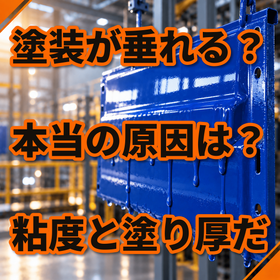
What causes paint to drip and leave streaks? Management of viscosity and paint thickness.
The sagging is determined not by the performance of the paint, but by viscosity, spray distance, and the thickness of a single coat. This explains the key points for management to prevent recurrence in mass production.
last updated