
What is dialysis drainage? Treatment before flowing into the sewer system [Basic knowledge]

Why is the wastewater from dialysis equipment likely to exceed sewage standards? This will explain the standards for pH and temperature, as well as key points for managing neutralization systems.
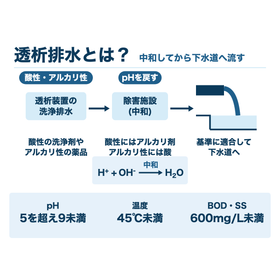
Dialysis wastewater is the effluent that comes from dialysis machines in medical institutions. Acidic cleaning agents and alkaline chemicals are used to remove scale from the internal plumbing of the machines. If discharged directly, there is a risk that it may not meet the sewer standards of having a pH above 5 and below 9. There have been incidents of damage to sewer pipes caused by dialysis wastewater, making it essential to pay attention to pH and temperature before considering BOD and SS. Since pH can vary significantly during cleaning hours, it is important to be aware of these changes throughout the day. ■ What is the problem with acidic wastewater? Acidic wastewater can damage concrete sewer pipes and cause issues such as road subsidence. Under Article 18 of the Sewerage Act, the responsible party may be required to bear the costs of repairs. Those discharging wastewater also have a responsibility for management. ■ Neutralizing before discharge is fundamental If the wastewater does not meet the standards, a treatment facility must be established for neutralization. Notification to the local government is required for the installation or renewal of treatment facilities. Since the standard values may vary by municipality, it is advisable to check in advance. Please feel free to consult us first.
basic information
■What items should be particularly noted? For wastewater discharged into the sewer, special attention should be paid to the following items: 1. pH: over 5 and less than 9 2. Temperature: below 45°C 3. BOD and SS: generally less than 600mg/L BOD and SS may be relaxed under certain conditions according to regulations. For neutralization, alkaline agents are added to acidic wastewater and acids to alkaline wastewater to bring the pH back within the standard range. ■Is it safe to use neutral detergents? Even when using neutral detergents that comply with sewer discharge standards, failing to adhere to dilution ratios and expiration dates may result in exceeding the standards. Even if a neutralization system is in place, if maintenance is not properly managed, the same issues can arise. It is important to actually measure and confirm the pH of the cleaning wastewater. ■Neutralization systems have a processing range Neutralization systems have a range of inflow pH that they can handle. When selecting detergents and disinfectants, it is advisable to consult with each manufacturer and measure the actual pH of the wastewater before making a decision. If changing the cleaning time settings, it is also important to allow for sufficient reaction time for neutralization. It is reassuring to have some leeway in the pH setting range as well.
Price range
Delivery Time
Applications/Examples of results
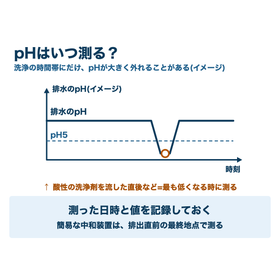
■When should pH be measured? The pH of wastewater should be measured regularly and recorded. Measurements should be taken at times when the pH is expected to be at its lowest, such as immediately after discharging acidic cleaning agents. In the case of simple neutralization systems, measurements are taken at the final point just before discharge. Keeping a record of the date, time, and values measured makes it easier to trace the cause when the values deviate from the standards. ■What to check during routine inspections? 1. pH meter: Clean the electrode with tap water and calibrate it with standard solutions. 2. Neutralizing chemicals: Check the remaining quantity and concentration in the tank. 3. Neutralization tank: Inspect for dirt and the condition of the agitator. If the pH meter readings are unstable, the deterioration of the electrode should also be suspected. The water quality after treatment should be measured regularly and recorded along with the inspection results. ■What about areas without sewer systems? In areas outside the sewer system, dialysis wastewater must not be placed in septic tanks. The wastewater quality pollution prevention law's discharge standards apply, and BOD and other factors are also subject to regulation, requiring biological treatment. Torii handles pH adjusters used for neutralization and can answer questions about their use. Please feel free to consult with us first.
catalog(2)
Download All Catalogs

Recommended products


Distributors

Since our founding, we have continued to provide flexible services with the motto of accurately supplying a diverse range of products that respond to changes in the times and the diversification of consumer needs, tailored to various applications and requirements. With the corporate slogan "Chemical Engineering Partner," we, as a group of experts in chemical technology, actively discover ideas to solve our customers' problems from advanced technologies both domestically and internationally, and propose them.