
What is turbidity water treatment? Measures for turbidity water and pH at construction sites [Basic Knowledge]
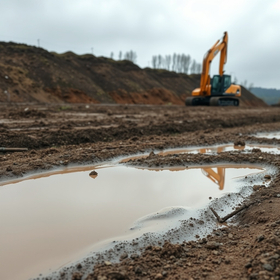
Is it acceptable to discharge the muddy water from the construction site as it is? This will explain the methods of sedimentation and neutralization, as well as considerations for each discharge destination related to the work that generates muddy water.
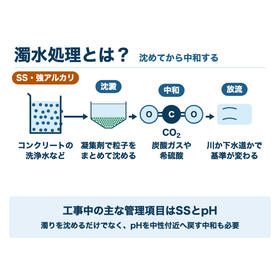
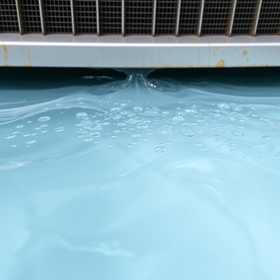
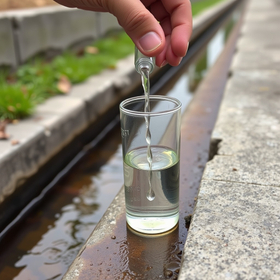
Turbid water is water that has become cloudy due to fine particles such as sediment being mixed in. In large construction projects like dams, turbid water is generated not only from the construction of the dam itself but also from the extraction of raw materials, dumping sites, and the construction of tunnels and roads. Since the characteristics and sources of the water vary, it may be necessary to consider separate treatment facilities for each source. ■ What types of work generate turbid water? 1. Washing: Water used to wash concrete manufacturing equipment and transportation machinery. 2. Boring: Waste milk and mixer wash water generated from boring and grouting. 3. Surface treatment: Drainage from green cutting and laitance treatment during concrete placement. 4. Excavation: Water flowing from excavated areas or water used to wash rock formations. 5. Aggregate production: Water used for washing and screening raw materials. ■ Concrete water is alkaline In construction, strong alkaline wastewater containing suspended solids is generated, such as washing water from concrete. The production of fresh concrete and concrete products also produces highly alkaline sludge. It is not enough to simply settle the turbidity; neutralization to bring the pH back to neutral is also necessary. Please feel free to consult with us first.
basic information
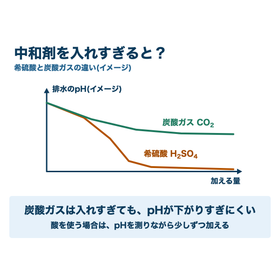
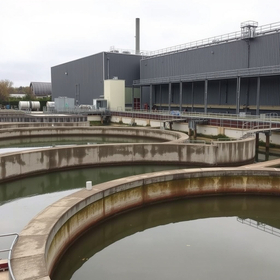
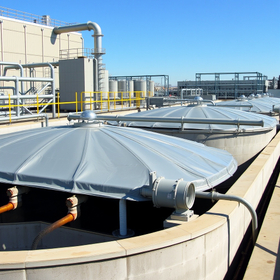
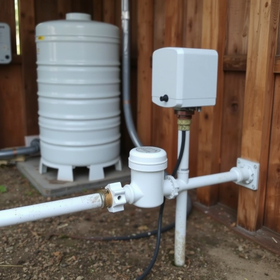
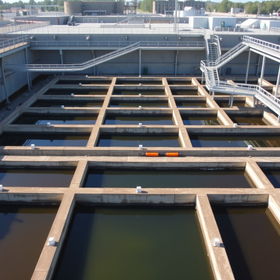
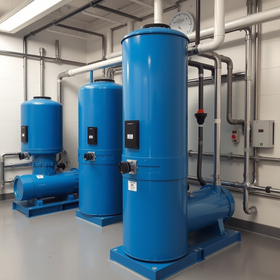
■There are four methods for treating turbid water: 1. Natural sedimentation method: Particles are settled in a sedimentation pond. 2. Coagulation sedimentation method: Coagulants are used to aggregate particles for settling. 3. Mechanical treatment sedimentation method: Sedimentation is performed using mechanical equipment. 4. Mechanical treatment dewatering method: Both sedimentation and dewatering are carried out mechanically. In sites where there is not enough space for a sedimentation pond, the mechanical treatment dewatering method, which allows for advanced treatment and is easier to adapt to the site, may be chosen. When a coagulant is added, fine particles clump together to form larger aggregates, making them easier to settle. ■What chemicals are used for neutralization? Acids such as dilute sulfuric acid and carbon dioxide (CO2) are used for neutralization. Neutralization devices that use carbon dioxide are also employed in turbid water treatment facilities at construction sites. As it is a gas, it is added in a dissolved form by being blown into the wastewater. The water after dewatering concrete sludge is also neutralized with acid before being discharged. ■What happens if too much is added? Strong acids like sulfuric acid can cause a significant drop in pH if too much is added. Carbon dioxide has the property of being less likely to cause a significant drop in pH even if injected in large amounts. When using acid, it is important to add it gradually while measuring the pH.
Price range
Delivery Time
Applications/Examples of results
■Which items are managed? The main management items for turbid water during construction are the amount of suspended solids (SS) and pH. The way turbidity appears differs between rainy and non-rainy days. On rainy days, the amount of water flowing from bare land also increases. The target values for construction drainage are set for each project to protect the river environment. ■What if discharging into the sewer? When discharging into the sewer, regulations require the establishment of treatment facilities for wastewater with a pH below 5 or above 9. The standards to be maintained change depending on whether the discharge destination is the sewer or a river. Since the acceptance conditions for the sewer are determined by local government regulations, it is necessary to confirm with the sewer management office before discharging. ■Ready-mix concrete plants are designated facilities! Batch plants used for the production of ready-mixed concrete are classified as designated facilities under the Water Pollution Control Law. When discharging wastewater from facilities with designated status into rivers or seas, wastewater standards apply. When newly establishing a designated facility, notification to the prefectural governor is required. Torii offers suggestions for acids used in neutralizing turbid water and coagulants used in coagulation and sedimentation. Please feel free to consult us first.
catalog(3)
Download All Catalogs

Recommended products
Distributors

Since our founding, we have continued to provide flexible services with the motto of accurately supplying a diverse range of products that respond to changes in the times and the diversification of consumer needs, tailored to various applications and requirements. With the corporate slogan "Chemical Engineering Partner," we, as a group of experts in chemical technology, actively discover ideas to solve our customers' problems from advanced technologies both domestically and internationally, and propose them.