
What is water purification treatment at a water treatment plant? From coagulation to disinfection [Basic Knowledge]
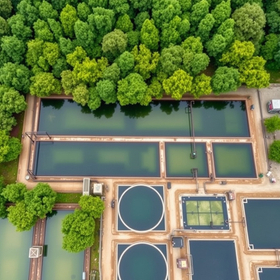
How does river water become tap water? This explains the flow of the rapid filtration process and the roles of chemicals such as the coagulant PAC and sodium hypochlorite.
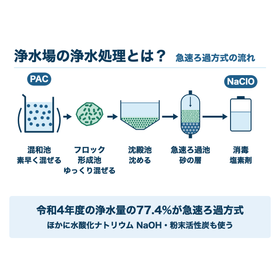
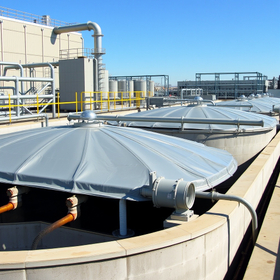
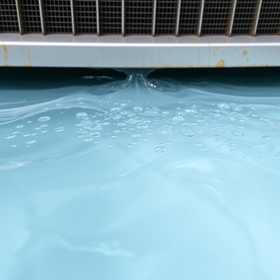
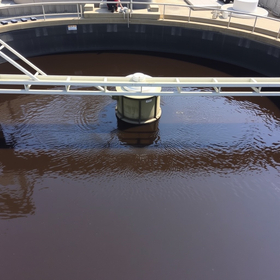
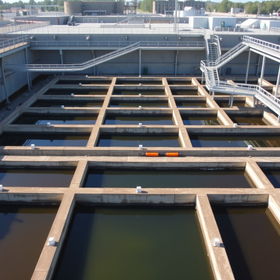
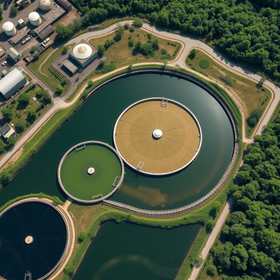
The rapid filtration method is a process that solidifies and sinks small turbidity and bacteria in water using coagulants, and then purifies the supernatant by passing it quickly through a layer of sand. In the fiscal year 2022, the annual water purification volume for water supply systems was approximately 14.8 billion cubic meters, with 77.4% of that volume accounted for by the rapid filtration method, making it the primary method. The method that relies solely on disinfection accounts for 16.6%, slow filtration for 3.1%, and membrane filtration for 2.8%. In the rapid filtration method, regular washing of the sand layer is essential. ■ How does the process flow? 1. Raw water intake: This is where the raw water from rivers and other sources is initially received, and some purification plants add chemicals here. 2. Mixing tank: Coagulants are added and mixed quickly. 3. Floc formation tank: The mixture is stirred slowly to promote the growth of floc aggregates. 4. Sedimentation tank: The larger, heavier aggregates sink to the bottom, and the supernatant is sent to the filtration tank. 5. Rapid filtration tank: Fine aggregates that did not settle are removed by the sand layer. 6. Disinfection: Chlorine agents are added to the filtered water before it is sent out. The mud and other materials removed in the sedimentation and filtration tanks are concentrated and dewatered at wastewater treatment facilities. Please feel free to consult with us first.
basic information
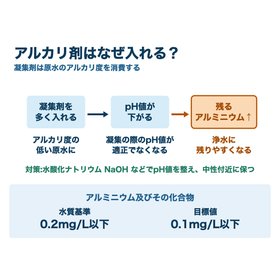
■What chemicals are added and for what purpose? 1. Poly aluminum chloride (PAC): A coagulant that gathers turbidity particles. 2. Sodium hydroxide: An alkaline agent to maintain neutral water. 3. Powdered activated carbon: Adsorbs and suppresses substances that cause musty odors. 4. Sodium hypochlorite: A chlorine agent that disinfects filtered water. Depending on the quality of the raw water, some water treatment plants add chlorine agents at the pre-filtration stage. ■Why is a coagulant necessary? Colloidal particles, which cause turbidity, are very small and have a property that makes them difficult to settle on their own. When particles are gathered by the power of the coagulant, they form clumps (flocs). The larger and heavier the flocs, the easier they are to settle. Therefore, the coagulant is first quickly mixed in to distribute it, and then slowly stirred to collide the particles with each other and grow larger. ■Why is an alkaline agent added? The coagulant consumes the alkalinity of the raw water. If a large amount of coagulant is added to raw water with low alkalinity, the pH value may drop, resulting in a higher concentration of aluminum remaining in the treated water. For this reason, alkaline agents such as sodium hydroxide are used to adjust the pH value and keep the water near neutral.
Price range
Delivery Time
Applications/Examples of results
■What is the guideline for aluminum? The water quality standard for aluminum and its compounds is below 0.2 mg/L, with a target value for water quality management set at below 0.1 mg/L. When using aluminum-based coagulants, if the pH during coagulation is not appropriate, the amount of aluminum remaining in the treated water tends to increase. Managing the pH is key to reducing residual aluminum. ■How to maintain the filtration pond? As filtration continues, turbidity components accumulate within the fine sand layer. Therefore, it is necessary to regularly perform backwashing, which involves flowing water in the reverse direction, that is, from the bottom to the top, to wash the sand layer. Since backwashing requires a significant amount of electricity to operate pumps and other equipment, efforts are being made to review the frequency and duration of cleaning. ■What happens after disinfection? The filtered water is disinfected with sodium hypochlorite, a chlorine agent, and is sent out as tap water after passing through purification tanks and other facilities. The concept of chlorine injection is discussed in detail in another article. At Torii, we provide consultations on water treatment chemicals such as coagulants and chlorine agents, as well as treatment methods tailored to water quality. Please feel free to reach out to us for inquiries.
catalog(3)
Download All Catalogs


Recommended products




Distributors

Since our founding, we have continued to provide flexible services with the motto of accurately supplying a diverse range of products that respond to changes in the times and the diversification of consumer needs, tailored to various applications and requirements. With the corporate slogan "Chemical Engineering Partner," we, as a group of experts in chemical technology, actively discover ideas to solve our customers' problems from advanced technologies both domestically and internationally, and propose them.