
What is ferrous chloride solution? How to use it in wastewater treatment and points to note [Basic Knowledge]
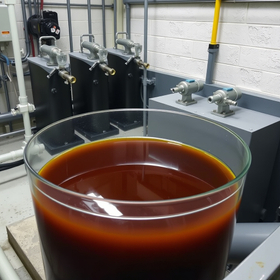
What can be made by adding it to water? Is it dangerous when mixed with sodium hypochlorite? I will summarize the properties of ferric chloride solution and its use in wastewater treatment.
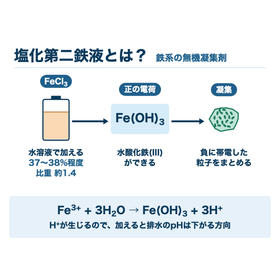
Ferric chloride is another name for iron(III) chloride (FeCl3). Solid iron(III) chloride dissolves well in water, with about 92g dissolving in 100mL of water at 20°C. In wastewater treatment, it is primarily used as an inorganic coagulant in the form of an aqueous solution. ■ What happens when it is added to water? When ferric chloride is added to water, iron(III) ions undergo hydrolysis to form iron(III) hydroxide. Fe(3+) + 3H2O → Fe(OH)3 + 3H(+) Suspended particles in wastewater often have negatively charged surfaces. Iron hydroxide has a positive charge near neutral pH, which helps to aggregate the particles together. At the same time, hydrogen ions are produced, causing the pH of the wastewater to decrease. ■ Hydroxides are relatively heavy Iron hydroxide has a slightly higher specific gravity than aluminum hydroxide. This is one reason why iron-based coagulants are widely used in wastewater treatment. ■ Are there other uses besides wastewater treatment? 1. Electronic materials: Manufacturing of printed circuits, semiconductors 2. Chemistry: Catalysts, raw materials for pharmaceuticals 3. Food: Food additives as iron fortifiers Please feel free to consult with us first.
basic information
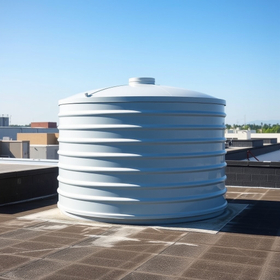
■Concentration and Specific Gravity of Liquid Products Industrial liquid products typically consist of an aqueous solution containing about 37-38% ferric chloride. The concentration is sometimes indicated in degrees Baumé, with products around 40 degrees Baumé being used. The specific gravity is approximately 1.4, resulting in a weight of about 1.4 tons per cubic meter. In the specifications at the time of purchase, there are examples where, in addition to the content of ferric chloride, limits are set for ferrous chloride and free acids. ■Strongly Acidic Even When Diluted?! A 0.1 mol/L aqueous solution of ferric chloride has a pH of about 2. This concentration corresponds to a solution that is approximately 30 times diluted from a product liquid of about 37%. It is classified as a substance that can cause severe chemical burns or damage to the skin and eyes. ■Is It Safe to Store in Metal Containers? Ferric chloride can corrode metals, potentially generating flammable and explosive hydrogen gas in the process. It also reacts violently with bases. When heated above 200°C, it decomposes, producing toxic and corrosive gases such as chlorine and hydrogen chloride. ■Subject to Labeling and Notification Ferric chloride is classified as a substance that requires label display and the provision of Safety Data Sheets (SDS) under the Occupational Safety and Health Act. Before use, it is important to check the properties and protective equipment in the SDS for each product.
Price range
Delivery Time
Applications/Examples of results
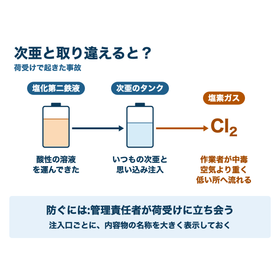
■Used for coagulation sedimentation and sludge dewatering In coagulation sedimentation, inorganic coagulants such as ferric chloride are often used in combination with polymer coagulants. In sludge dewatering, they are used to neutralize the surface charge of negatively charged organic sludge to form flocs. They can also serve as coagulants for phosphorus removal. The required dosage and suitable pH vary depending on the wastewater, so coagulation tests are conducted to confirm them. ■What happens if it mixes with sodium hypochlorite?! Ferric chloride solution is an acidic solution, and when mixed with sodium hypochlorite solution, it produces harmful chlorine gas. There have been incidents where workers were poisoned because they mistakenly thought they were injecting ferric chloride solution into a tank that usually carries sodium hypochlorite solution. Chlorine gas is heavier than air and flows to lower areas. ■How to prevent mix-ups during receiving? When receiving from a tank truck, the chemical management supervisor is present to ensure that the correct tank is used. Clearly displaying the names of the contents at each injection point can also help prevent mix-ups. Torii supplies coagulants including ferric chloride. Please feel free to consult with us first.
catalog(2)
Download All Catalogs

Recommended products

























Distributors

Since our founding, we have continued to provide flexible services with the motto of accurately supplying a diverse range of products that respond to changes in the times and the diversification of consumer needs, tailored to various applications and requirements. With the corporate slogan "Chemical Engineering Partner," we, as a group of experts in chemical technology, actively discover ideas to solve our customers' problems from advanced technologies both domestically and internationally, and propose them.