Utilization of AI in product development: RELAY that preserves the history of prototype considerations.

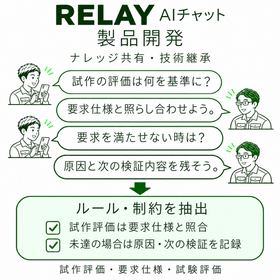
From discussions on trial production, cultivate knowledge that can be used for the next development.
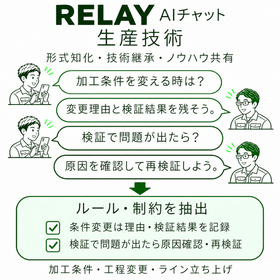
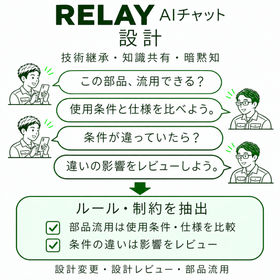
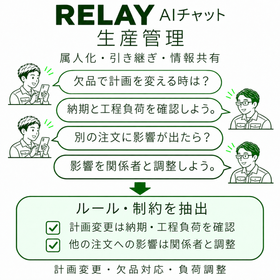
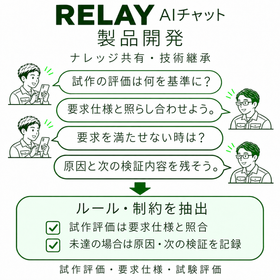
While I want to utilize AI in product development, it's hard to imagine where it can be applied in daily operations. RELAY uses AI in situations where it organizes the discussions included in chats between team members, such as prototype evaluations and requirement changes. It organizes the compared proposals, evaluation criteria, and reasons for acceptance or rejection, allowing team members to share this information after confirming the original explanations and test records. This knowledge is retained for reference in the next prototype or when passing responsibilities to another team member. From daily consultations within the development team, it helps to clarify what to retain and who will use it next, enabling the transfer of experience to the next product. [Check the usage image in the catalog] Download the related catalog "RELAY Manufacturing Industry Use Case Collection_Design" to see how RELAY can be utilized in the design department. This serves as a reference for other departments when considering its application in product development.
basic information
Information on the Use of AI in Product Development In the use of AI for product development, we organize the discussion proposals, evaluation criteria, and reasoning within the chat. The personnel responsible for development and evaluation check the original exchanges and records to confirm the content to be shared. The confirmed knowledge is utilized for the next prototype, requirement changes, and business handovers.
Price range
Delivery Time
Model number/Brand name
RELAY
Applications/Examples of results
【Utilization Image: AI Utilization in Product Development】 In a situation where multiple team members provided results and improvement suggestions regarding the evaluation of a prototype in a chat, the AI organizes the proposals compared and the reasons for rejection. The development team member checks the context and conditions of the statements. By keeping a record of the confirmed content, it serves as material to reflect on which points were prioritized in selecting proposals for the next prototype.