
What is ORP (Oxidation-Reduction Potential)? How to Measure It and Its Uses [Basic Knowledge]
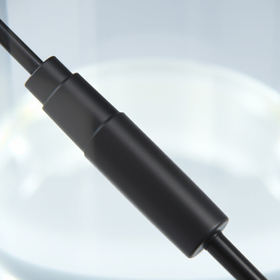
ORP expresses whether water is easily oxidized or easily reduced in terms of potential. This will explain the differences in values due to reference electrodes, how to verify them, and their use in wastewater treatment.
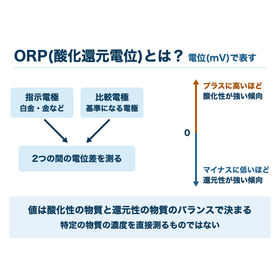
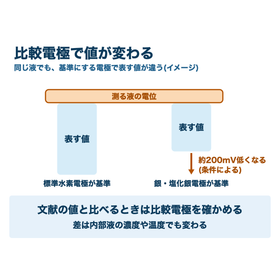
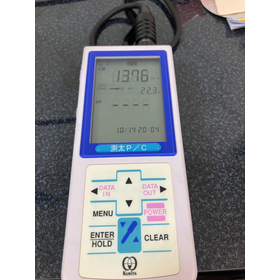
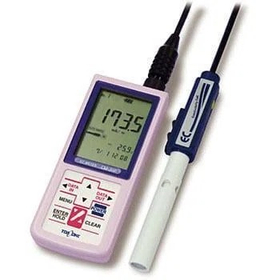
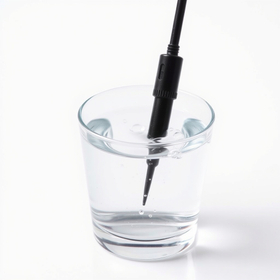
ORP (Oxidation-Reduction Potential) is an indicator that represents the degree to which a solution is prone to oxidation or reduction, expressed in millivolts (mV). The higher the positive value, the stronger the oxidizing potential, while the lower the negative value, the stronger the reducing potential. The value is determined by the balance of oxidizing and reducing substances in the water. ■ How is it measured? An ORP meter measures the potential difference that arises between a sensing electrode immersed in water and a reference comparison electrode. Metals such as platinum or gold are used for the sensing electrode. There is also a method to switch a pH meter to display in mV and measure by connecting the metal electrode to the comparison electrode. ■ Does the value change with the comparison electrode? In electrochemistry, the potential of the standard hydrogen electrode is sometimes expressed as 0. On the other hand, industrial ORP meters widely use silver/silver chloride comparison electrodes. The values measured with this electrode are typically about 200 mV lower than those based on the standard hydrogen electrode, depending on the conditions. This difference can also vary with the concentration and temperature of the internal solution. When comparing with literature values, it is necessary to check which comparison electrode the values are based on. Please feel free to consult us first.
basic information
■ Not just the concentration of a single substance! ORP does not directly measure the concentration of specific oxidants or organic substances. The actual ORP of water is determined by the balance of many coexisting oxidants and reductants. It is assessed comprehensively in conjunction with other water quality indicators as needed. ■ Does it also change with pH and temperature? ORP is influenced by pH, temperature, and the oxidants and reductants in the solution. In the reduction treatment of chromium in plating wastewater, the ORP and the time until the reaction is complete are significantly affected by pH. Some manufacturers recommend keeping the temperature constant during measurements. ■ No calibration needed? Calibration for ORP electrodes is not particularly necessary like it is for pH meters. You measure a liquid with a known ORP to confirm that it is functioning correctly. ■ The confirmation liquid has a range of values For confirmation liquids, some manufacturers use a solution of Kinhydron with an approximate range of 200-300 mV and an iron solution with an approximate range of 420-520 mV. These do not always show a constant value like pH standard solutions; instead, the validity is determined by whether the measured value falls within an acceptable range.
Price range
Delivery Time
Applications/Examples of results
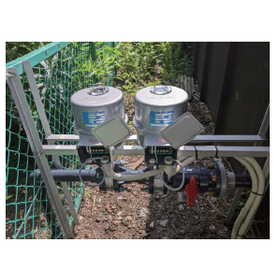
■ What about cyanide treatment? In the treatment of wastewater containing cyanide, methods are used to continuously measure ORP and control the amount of chemical injection, such as chlorine for decomposition. Since the reaction is also affected by pH, it is combined with a pH meter. To prevent excessive use of chemicals, both ORP and pH meters are necessary. ■ There is not just one reference value! The reference for the first stage of cyanide treatment can vary, with some suggesting an ORP of over 300 mV and others suggesting over 400 mV. The appropriate management values differ based on the target substance, pH, chemicals, reference electrodes, and equipment conditions. ■ In the reduction of hexavalent chromium In the treatment that reduces hexavalent chromium to trivalent chromium using reducing agents like sodium bisulfite, ORP is monitored to control the injection of the reducing agent. In one experimental case, ORP changed suddenly when all hexavalent chromium was reduced. ■ Also used in anaerobic tanks for sewage In anaerobic tanks operated to remove phosphorus, it is important to measure ORP as an indicator of anaerobic conditions and keep the values low. Our company offers consultations on water quality measurement, including rental of water quality measurement devices. Please feel free to contact us.
catalog(3)
Download All Catalogs

Recommended products








Distributors

Since our founding, we have continued to provide flexible services with the motto of accurately supplying a diverse range of products that respond to changes in the times and the diversification of consumer needs, tailored to various applications and requirements. With the corporate slogan "Chemical Engineering Partner," we, as a group of experts in chemical technology, actively discover ideas to solve our customers' problems from advanced technologies both domestically and internationally, and propose them.