
What is construction sludge? Concepts of dewatering and reuse [Basic Knowledge]
If the cone index is less than 200 kN/m², is it construction sludge? This explains the distinction from construction generated soil and the concept of reuse through dewatering and improvement.
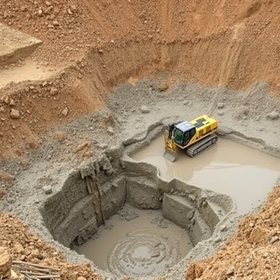
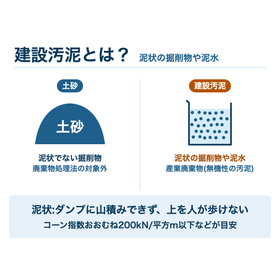
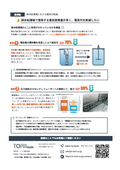
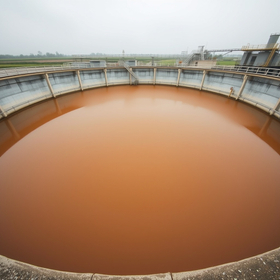
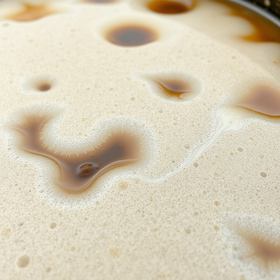
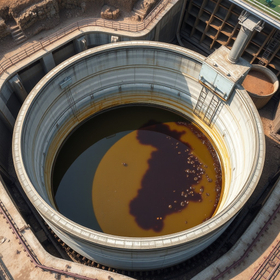
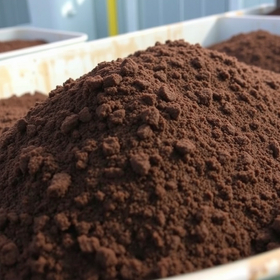
Construction sludge refers to the muddy excavated materials or mud water generated from excavation work related to construction projects, which are treated as industrial waste under the Waste Management Law. Construction sludge falls under the category of inorganic sludge among industrial waste. On the other hand, excavated materials or dredged soil resulting from the excavation of natural ground are considered earth and similar to earth materials, and are not subject to the Waste Management Law. Additionally, excavated materials that contain more than 95% of particles with a diameter exceeding 74 micrometers are no longer in a muddy state due to processes like gravel separation, and can be treated as earth materials as long as there are no environmental preservation issues. ■ What is the criterion for determining if it is muddy? A muddy state is defined as one where it cannot be piled up in a standard specification dump truck and where a person cannot walk on top of it. In terms of soil strength, the cone index is generally 200 kN/m² or less, or the unconfined compressive strength is generally 50 kN/m² or less. Whether the material is earth or sludge is determined at the time it is discharged during excavation work. Even if it is not muddy when loaded, materials that become muddy during transport due to mixing must be treated as sludge. Transport should be done using covered box-type dump trucks, among others. Please feel free to consult us first.
basic information
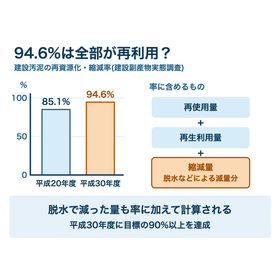
■ At what point is a decision made in the method using mud water? In the method of excavating the ground using water, the excavation work is considered to include the process of separating the excavated material into original soil and water. A decision is made at the point when it comes out of that integrated system, so the sand separated by the classifier is treated as soil, while the remaining excess mud water is treated as sludge. ■ Is "mud" considered construction sludge? According to the standards for the utilization of generated soil, generated soil is classified into construction-generated soil types 1 to 4 and mud based on the cone index, with mud defined as having a cone index of less than 200 kN/m². However, this classification is based on engineering judgment and does not determine whether it is classified as industrial waste. Additionally, sediment resulting from dredging in ports and rivers, as well as excavated material from ground excavation, are excluded from the Waste Management Law. ■ Is 94.6% all reused? In the fiscal year 2018, the recycling and reduction rate of construction sludge was 94.6%, an increase from 85.1% in fiscal year 2008, achieving the target of over 90%. This rate is calculated by adding the amount of reuse and recycling to the reduction amount due to dewatering and other processes. It does not mean that everything was reused.
Price range
Delivery Time
Applications/Examples of results
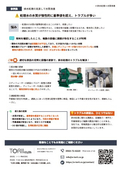
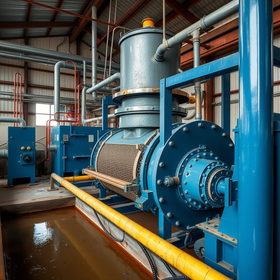
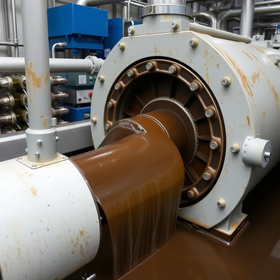
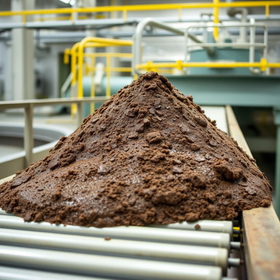
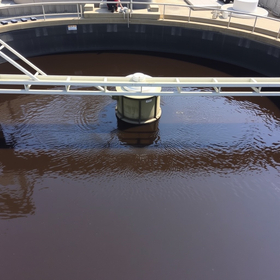
■The properties of sludge differ depending on the construction method! Construction sludge can be classified based on its properties as follows: 1. Slurry: Excess sludge water from methods such as slurry shield tunneling. It can be reduced through mechanical dewatering. 2. Mud: Excavated soil from mud pressure shield tunneling. Mechanical dewatering is difficult, but sun drying and stabilization treatment are possible. 3. Self-hardening: Sludge from soil-cement wall methods. It contains a lot of cement and hardens if left unattended. ■How to use it as treated soil? According to the construction sludge treatment soil utilization technical standards, treated construction sludge is defined as that which has been improved in properties through processes such as incineration, dewatering, drying, and stabilization with cement or lime, and its quality is generally classified by the cone index. For example, in advanced dewatering, dewatered cakes are used as fill material or backfill. ■Confirmation of harmful substances It is also necessary to confirm compliance with soil environmental standards (leaching standards) and harmful substance content standards through analysis certificates and other documentation. ■Not necessarily valuable materials Even when used as construction materials, properties alone do not immediately determine whether it is a valuable material. ■Consultation on dewatering If you are having trouble with dewatering conditions or equipment, please feel free to consult with us first.
catalog(3)
Download All Catalogs
Recommended products
Distributors

Since our founding, we have continued to provide flexible services with the motto of accurately supplying a diverse range of products that respond to changes in the times and the diversification of consumer needs, tailored to various applications and requirements. With the corporate slogan "Chemical Engineering Partner," we, as a group of experts in chemical technology, actively discover ideas to solve our customers' problems from advanced technologies both domestically and internationally, and propose them.