
活性汚泥・汚泥処理
活性汚泥・汚泥処理
活性汚泥法のしくみや運転管理、バルキング対策、汚泥の濃縮・脱水・処分までをまとめました。
1~21 item / All 21 items
-
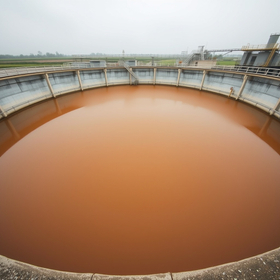
What is bulking? Causes of sludge not settling [Basic knowledge]
In the sedimentation tank, the sludge does not settle and overflows along with the supernatant... Its true nature might be filamentous bacteria that have proliferated excessively within the sludge?
last updated
-
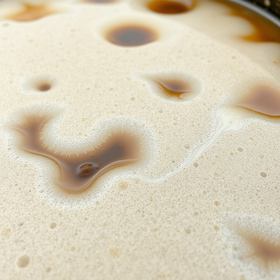
What is sticky bulking? Causes and countermeasures for slimy sludge.
Why doesn't the sludge settle despite the low presence of filamentous fungi? This explains how to identify "viscous bulking," which is characterized by stickiness and lack of compaction, and discusses the drainage issues that can easily arise.
last updated
-
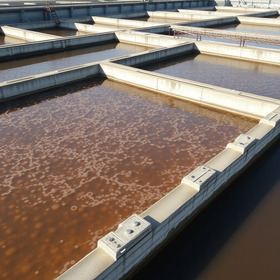
What is biological treatment? The difference between aerobic treatment and anaerobic treatment.
Biological treatment that decomposes organic matter in wastewater using the power of microorganisms. This explains the differences between aerobic treatment, which uses oxygen, and anaerobic treatment, which does not, as well as how they can be combined.
last updated
-
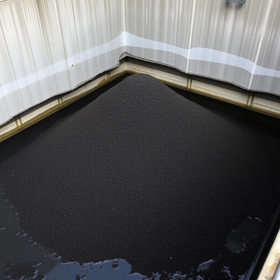
What is sludge? Types and treatment as industrial waste [Basic Knowledge]
Sludge generated from wastewater treatment in business is considered industrial waste, regardless of the industry. This explains how to determine hazardous substances and how to verify subcontractors.
last updated
-
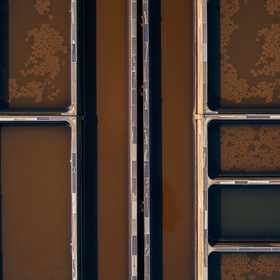
What is the activated sludge method? Basics of its mechanism and operation [Fundamental Knowledge]
The activated sludge method cultivates a mass of microorganisms to decompose organic matter in wastewater. This explains the roles of the aeration tank and the sedimentation tank, the reasons for recycling sludge, and the key points for daily management.
last updated
-
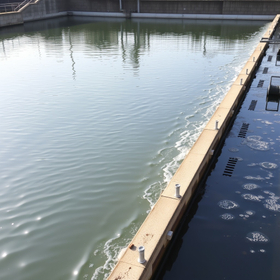
What are nitrification and denitrification? The mechanism of nitrogen removal [Basic knowledge]
Convert ammonia into nitric acid and release it as nitrogen gas from water. Why is the denitrification tank placed before the nitrification tank? Explain the conditions and combinations of the two reactions.
last updated
-
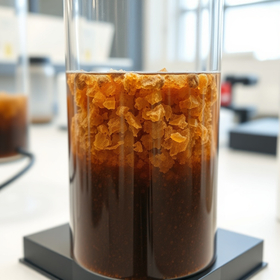
What are MLSS and MLVSS? Concentration management of activated sludge [Basic knowledge]
How many kg of sludge is contained in 1 cubic meter of the aeration tank? I will explain the meanings of MLSS and MLVSS, as well as concentration management using SV30 and SVI.
last updated
-
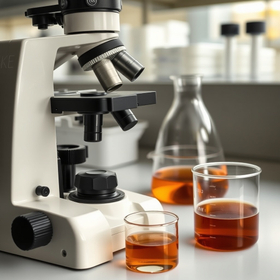
What are the microorganisms in activated sludge? Protozoa and filamentous bacteria [Basic Knowledge]
When viewed under a microscope, something is moving in the sludge?! This explains the types of microorganisms in activated sludge and the organisms that indicate the treatment conditions.
last updated
-
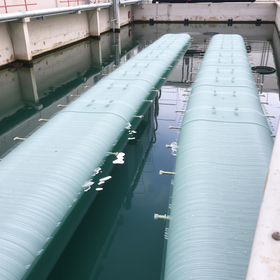
What is Membrane Bioreactor (MBR)? Mechanism and Operational Precautions [Basic Knowledge]
MBR, which separates sludge and water using a membrane instead of a settling tank. This explains the role of the membrane and the perspective on membrane fouling that cannot be avoided during operation, as well as the considerations for cleaning.
last updated
-
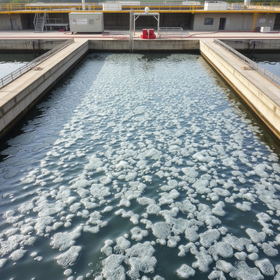
What is the standard activated sludge method? Differences from the long-term aeration method [Basic Knowledge]
The starting point of various methods of the activated sludge process, the standard activated sludge method. We will compare what the modified methods have changed and the differences in retention time and load.
last updated
-
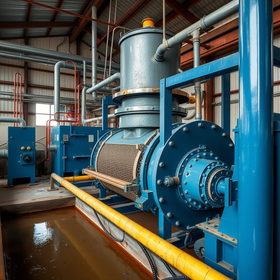
What is sludge dewatering? Moisture content of dewatered sludge and types of dewatering machines [Basic Knowledge]
When the moisture content decreases by 1 point, how much does the amount of dewatered sludge change? This will explain the calculation method, the type of dewatering machine, and what happens to the dewatered sludge afterward.
last updated
-
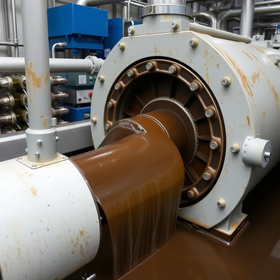
What is a sludge dewatering machine? Types and how to choose, chemicals before dewatering [Basic Knowledge]
The results of the dehydrator vary not only by model but also by the coagulant used in the previous stage. This explains the main characteristics of different models and the items to consider when making a selection.
last updated
-
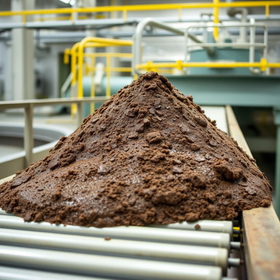
What is sewage sludge? Generation amount and effective utilization [Basic knowledge]
The recycling rate is about 76%. What about the utilization of organic matter? This explains the current status of effective utilization as seen from the differences in the amount of sewage sludge generated and the indicators.
last updated
-
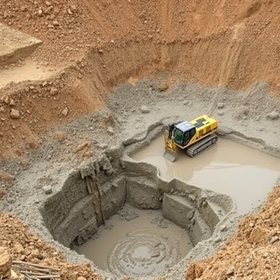
What is construction sludge? Concepts of dewatering and reuse [Basic Knowledge]
If the cone index is less than 200 kN/m², is it construction sludge? This explains the distinction from construction generated soil and the concept of reuse through dewatering and improvement.
last updated
-
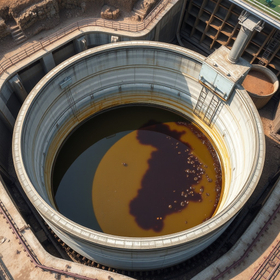
What is sludge concentration? Differences between gravity and mechanical methods [Basic Knowledge]
The amount of sludge is halved with just a slight decrease of 2 points from a moisture content of 98% to 96%. This explains the mechanism of sludge concentration and the differences between gravity and mechanical methods.
last updated
-
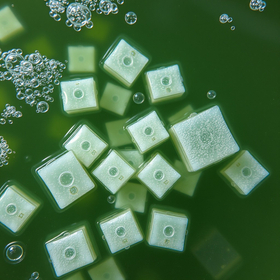
What are biological membrane methods and carriers? Differences from activated sludge [Basic Knowledge]
Whether to float microorganisms in water to work or to attach them to a surface to work. I will explain the differences between the biofilm method and the carrier system, and the activated sludge method.
last updated
-
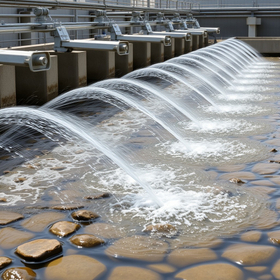
What is the sprinkling bed method? Biological treatment without using a blower [Basic knowledge]
A method of sprinkling wastewater onto a substrate and decomposing organic matter with a biological film on the surface, known as the sprinkler biofilter method. It explains the reasons why a blower is not needed, as well as the weaknesses such as winter water temperature and biofilter flies.
last updated
-
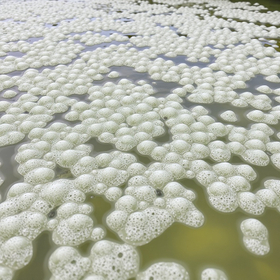
What is aeration? Types of aeration devices and how oxygen dissolves【Basic Knowledge】
Aeration involves sending air into the drainage to deliver oxygen and mix the contents of the tank. This introduces the types of diffusers and explains how the dissolution of oxygen varies with the size of the bubbles and the water depth.
last updated
-
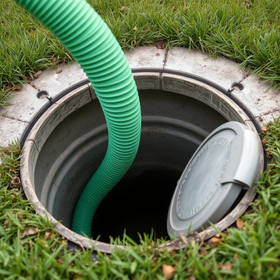
What is sewage treatment plant sludge? The process of extraction and treatment [Basic Knowledge]
Sludge from drainage treatment is classified as industrial waste, while sludge from septic tanks is classified as general waste. This explains the differences in classification and the flow from extraction to treatment.
last updated
-
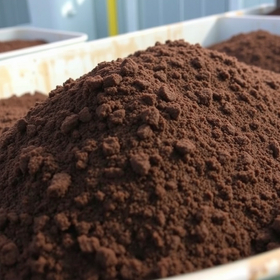
What is the difference between organic sludge and inorganic sludge? Treatment and disposal [Basic knowledge]
Is our company's sludge organic or inorganic? We will explain whether it reduces when burned, the standards for landfill, and the differences in reuse as fertilizer or raw material for cement.
last updated
-
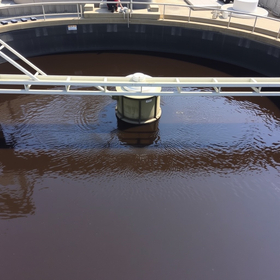
What is sludge treatment? The process from concentration to disposal [Basic Knowledge]
To "reduce" sludge, there are two methods: removing water and decomposing solid materials. This explains the roles of concentration, digestion, dewatering, and incineration, as well as the concept of minimizing generation.
last updated