
What is the difference between organic sludge and inorganic sludge? Treatment and disposal [Basic knowledge]
Is our company's sludge organic or inorganic? We will explain whether it reduces when burned, the standards for landfill, and the differences in reuse as fertilizer or raw material for cement.
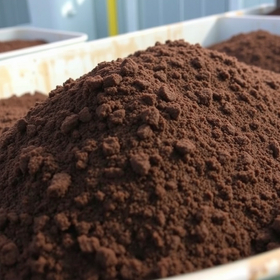
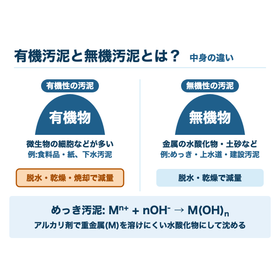
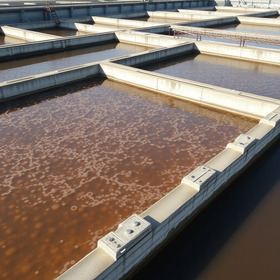
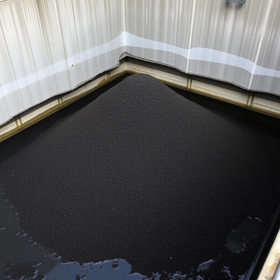
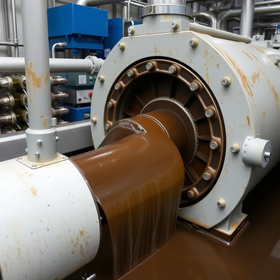
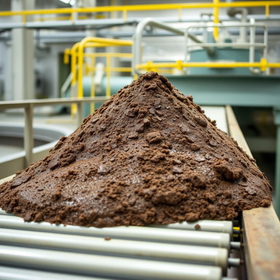
The contents of sludge include a high amount of organic matter such as microbial cells, as well as a high amount of inorganic matter such as metal hydroxides and soil, and there are also mixtures of both. In estimates of the amount of industrial waste treatment and recycling, sludge is treated by separating it into organic and inorganic types. ■Both fall under the same category of "sludge" In the classification of industrial waste types under the Waste Management and Public Cleansing Law, both organic and inorganic types are included in the same category of "sludge." However, the enforcement order of the law has disposal standards that apply only to organic sludge, and the destination for recycling varies based on its characteristics. ■Which industries produce which type? The main industries producing organic sludge in manufacturing are food, beverages and feed, textiles, pulp and paper, and organic chemicals. Sewage sludge is also classified as organic. On the other hand, drinking water sludge, construction sludge, and mining sludge are treated as inorganic sludge. ■Why is plating sludge considered inorganic? In plating wastewater, the basic treatment involves using alkaline agents to convert heavy metals into hydroxides that are less soluble in water, which are then precipitated and dewatered to be extracted as sludge. Therefore, it results in sludge that contains a high amount of metal hydroxides. Please feel free to consult with us.
basic information
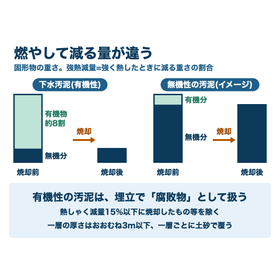
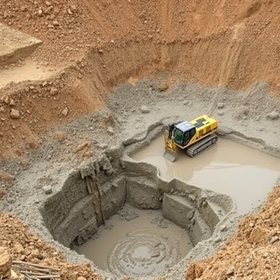
■How to measure organic matter? In sewage sludge, organic matter accounts for approximately 80% of the solids. The proportion of organic matter can be measured using the loss on ignition (the weight loss ratio when strongly heated). ■Sludge that burns and sludge that does not Organic sludge from manufacturing industries is reduced through dewatering, drying, and incineration, either individually or in combination. In contrast, inorganic sludge is reduced through dewatering and drying. Sludge with fewer combustible components has limited effectiveness in reduction through incineration. ■Is it treated as "putrescible waste" in landfills?! The Waste Management Law Enforcement Order requires that sludge be incinerated or thermally decomposed, or have a moisture content of 85% or less before being landfilled. Furthermore, organic sludge (excluding those incinerated with a loss on ignition of 15% or less) is considered putrescible waste, and in landfills containing putrescible waste, the thickness of each layer should generally be no more than 3 meters (or 50 cm if the putrescible waste is approximately 40% or more), with each layer covered with soil. ■Surface water landfilling is even stricter! When landfilling organic sludge on the surface of water, incineration or thermal decomposition must be performed in advance. Digested sewage sludge is excluded.
Price range
Delivery Time
Applications/Examples of results
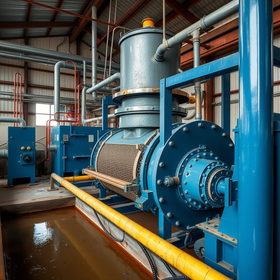
■What are the different destinations for recycling? The main destinations for recycling are as follows: 1. Organic sludge from manufacturing: fertilizers and soil conditioners 2. Inorganic sludge from manufacturing: land reclamation, soil conditioners, cement raw materials 3. Waterworks sludge: after sun drying or mechanical drying, for land reclamation or cement raw materials The classification will affect the potential recipients. ■Are there regulations for heavy metals if used as fertilizers?! When sludge is converted into fertilizers through drying or fermentation, the effectiveness and safety are evaluated for each brand. In dried form, regulations for harmful components are established, such as arsenic at 50mg/kg and cadmium at 5mg/kg. If factory sludge is to be used as fertilizer material, management of these components is necessary. ■How to distinguish your own sludge? 1. Source: biological treatment or coagulation and sedimentation 2. Loss on ignition: proportion of organic matter 3. Leaching test: whether it meets the standards for harmful substances ■Consultation on sludge treatment Torii offers consultations related to sludge treatment, including dewatering chemicals, deodorants, and belt presses. Please feel free to contact us first.
catalog(3)
Download All Catalogs
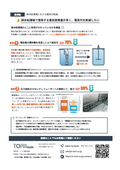
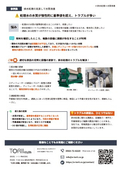
Recommended products
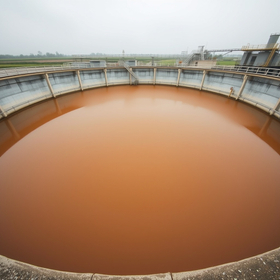
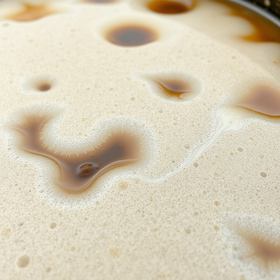
Distributors

Since our founding, we have continued to provide flexible services with the motto of accurately supplying a diverse range of products that respond to changes in the times and the diversification of consumer needs, tailored to various applications and requirements. With the corporate slogan "Chemical Engineering Partner," we, as a group of experts in chemical technology, actively discover ideas to solve our customers' problems from advanced technologies both domestically and internationally, and propose them.