
What is sludge treatment? The process from concentration to disposal [Basic Knowledge]
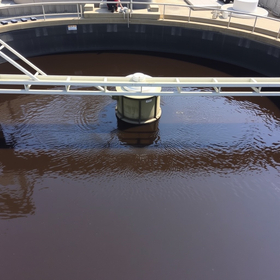
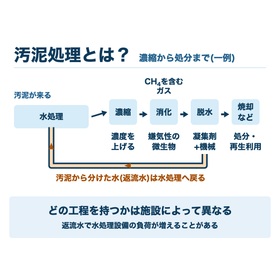
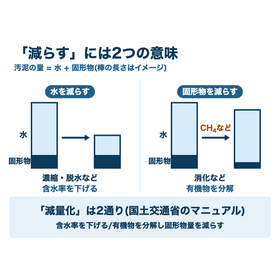
To "reduce" sludge, there are two methods: removing water and decomposing solid materials. This explains the roles of concentration, digestion, dewatering, and incineration, as well as the concept of minimizing generation.
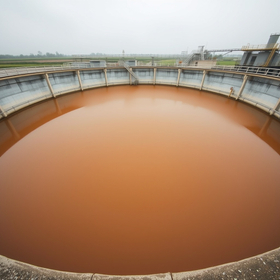
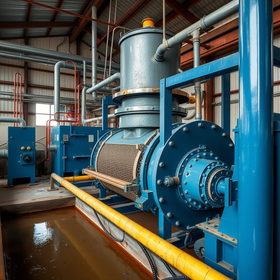
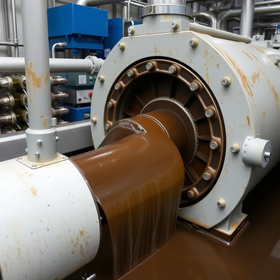
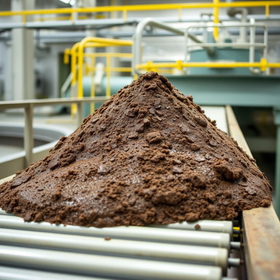
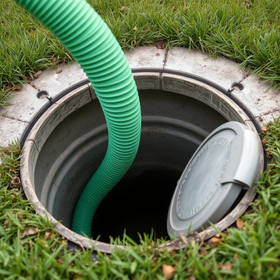
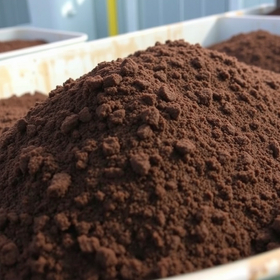
Sludge treatment refers to a series of processes aimed at reducing the amount of sludge separated from wastewater treatment, making it easier to handle, and then sending it off for disposal or recycling. In food factories, most of the sludge generated from wastewater treatment is disposed of as industrial waste after being reduced in volume through methods such as dewatering, drying, and incineration. ■ Sequence of Sludge Treatment Processes At sewage treatment plants, sludge is processed in the following order: 1. Concentration: Increasing the concentration of solids by settling or using machinery. 2. Digestion: In an oxygen-free tank, anaerobic microorganisms break down some of the organic matter into gas. 3. Dewatering: Adding coagulants and squeezing out water with machinery. 4. Drying/Incineration: Further reducing moisture and organic matter. 5. Disposal/Recycling: In addition to landfilling, it can be used for construction materials or fertilizers. The specific processes involved may vary by facility. ■ Is the Weight of Sludge the Same? Sludge from settling tanks is categorized based on its characteristics. Light sludge, such as organic sludge or aluminum hydroxide, has an apparent specific gravity close to that of water and a lower concentration when extracted from the settling tank. Heavy sludge, such as sand or iron oxide, tends to have a higher concentration. Please feel free to consult with us first.
basic information
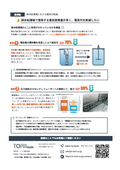
■ Does "reduce" have two meanings?! According to the Ministry of Land, Infrastructure, Transport and Tourism's manual, reduction is defined as "lowering the moisture content in sludge through dehydration, incineration, melting, etc., or reducing the amount of solids by decomposing organic matter through digestion, etc." The amount of sludge is the total of water and solids. Depending on which component is being reduced, the roles of each process can be organized. ■ Process to reduce water In concentration and dehydration, the solids contained in the sludge remain almost unchanged while the proportion of water is decreased, making the overall volume smaller. Since a large portion of sludge is made up of water, even a slight difference in moisture content can significantly change the amount transported. ■ How to reduce solids as well? By installing a digestion tank, the organic components are decomposed, reducing the amount of solids in the sludge, which can subsequently decrease the capacity of the sludge treatment facilities. During the decomposition process, biogas containing methane is also obtained. ■ Where does the separated water go?! On the other hand, one of the constraints when introducing a digestion tank is that the return water can increase the load on the water treatment facilities. The water separated from the sludge is returned to the water treatment side. Sludge treatment cannot be considered separately from water treatment.
Price range
Delivery Time
Applications/Examples of results
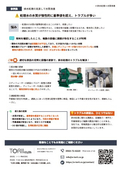
■What does it mean to operate without generating sludge in the first place? The long-term aeration method reduces BOD load and minimizes the generation of excess sludge by oxidizing and decomposing it through endogenous respiration. However, this method results in poor sludge aggregation, leading to worse effluent quality compared to standard activated sludge methods. ■Can excess sludge be solubilized and returned?! There are volume reduction technologies that solubilize excess sludge using thermophilic bacteria or ozone and return it to the aeration tank for decomposition by activated sludge. However, introducing this into existing facilities increases the load on the aeration tank, necessitating an increase in oxygen supply. ■Pros and cons of methods to reduce sludge Each method affects other aspects such as effluent quality, oxygen supply, and the load on water treatment in exchange for the amount of sludge. It is important to compare the entire system. ■Do added chemicals also become sludge? Coagulants like bentonite have fallen out of use due to the increase in excess sludge generation. The development of polymer coagulants is one reason for this. At Torii, we offer consultations on reviewing coagulants used for dewatering and replacing dewatering machines. Please feel free to reach out to us first.
catalog(3)
Download All Catalogs
Recommended products
Distributors

Since our founding, we have continued to provide flexible services with the motto of accurately supplying a diverse range of products that respond to changes in the times and the diversification of consumer needs, tailored to various applications and requirements. With the corporate slogan "Chemical Engineering Partner," we, as a group of experts in chemical technology, actively discover ideas to solve our customers' problems from advanced technologies both domestically and internationally, and propose them.