
What is well water? Differences from tap water and inspection/disinfection [Basic Knowledge]
Even with the same groundwater, the extent to which tap water and well water are verified differs depending on who is responsible. This explains the realities of the water sources and the differences in responsibilities and costs for testing and disinfection.
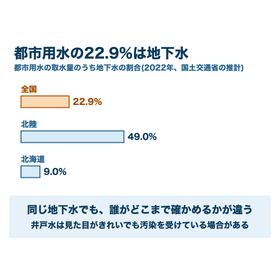
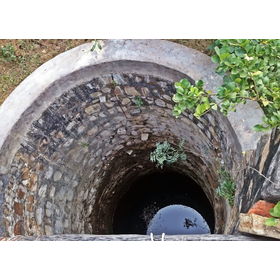
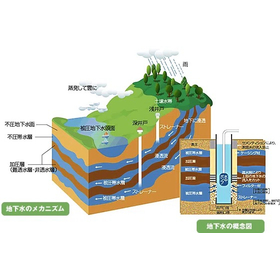
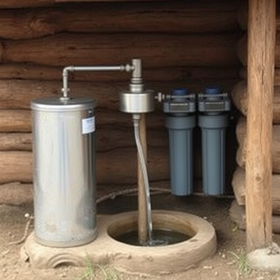
Well water refers to water that is drawn from underground through a well dug into the ground. It is used in homes, factories, and stores for various purposes, including drinking water, irrigation, and cleaning. ■ Is tap water also sourced from groundwater? Of the total water intake for urban use, which includes both domestic and industrial water, 22.9% nationwide comes from groundwater (2022). In the Hokuriku region, this figure is 49.0%, while in Hokkaido, it is 9.0%, indicating regional differences. Even at the prefectural level, in Yamanashi Prefecture, 40.7% of the water intake for public water supply in fiscal year 2022 came from deep wells, while in Okayama Prefecture, 26.4% of the water source for tap water in fiscal year 2024 was groundwater. ■ So what is the difference? Unlike tap water, well water does not have verifiable sources or pathways. It is not subjected to purification treatment, chlorine disinfection, or water quality testing. The main difference lies in the treatment and verification processes rather than the source of the water. ■ Options for uses other than drinking For these reasons, some municipalities advise against using well water for drinking and recommend its use for non-potable purposes such as irrigation. The necessary management changes depending on whether the water is intended for drinking or other uses. Please feel free to consult with us first.
basic information
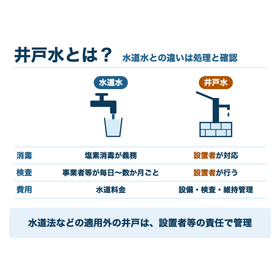
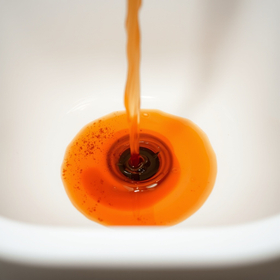
■Tap water is checked every day! According to the Water Supply Act Enforcement Regulations, water suppliers are required to conduct daily inspections and regular comprehensive inspections, and chlorine disinfection is also mandatory. ■Who manages well water? For wells not subject to the Water Supply Act, the government stipulates that the installer must conduct inspections and water quality tests according to the guidelines for sanitary measures for drinking wells. In other words, the well installer is responsible for managing the facilities and water quality. ■Can't tell by appearance? Even well water that looks clean may be contaminated with bacteria or household wastewater. "Delicious water" does not necessarily mean "safe water." ■Water quality is affected by soil and geological layers The quality of groundwater generally resembles that of river water, but it is influenced by soil and geological layers. ■Variations in groundwater contamination by region In some areas, nitrate and nitrite nitrogen levels may exceed national standards due to the influence of fertilizers and household wastewater, while arsenic levels may be elevated due to geological factors. In some cities, groundwater contamination from organic chlorine compounds and naturally occurring arsenic has been identified in about 20 regions.
Price range
Delivery Time
Applications/Examples of results
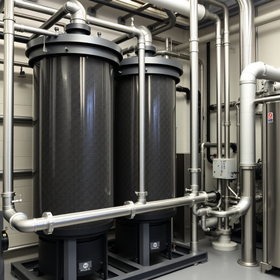
■What are the differences between tap water and well water? 1. Water source: Tap water comes from river water or groundwater, while well water is the groundwater from that well. 2. Disinfection: Tap water is required to be disinfected with chlorine, while well water is managed by the owner. 3. Testing: Tap water is tested by water service providers daily or every few months, while well water is tested by the owner. 4. Costs: Tap water incurs a fee, while well water involves costs for equipment, testing, and maintenance. ■What kind of management is needed for drinking? To drink well water with the same safety as tap water, proper maintenance and management of facilities for chlorine disinfection and purification are necessary. A chlorine sterilizer should be installed to inject chlorine, and the free residual chlorine measured at the tap should be checked regularly to ensure it is above 0.1 mg/L. ■Initial testing and equipment selection Before using it for drinking, all items of water quality standards should be tested by a specialized testing organization. This is because contamination from bacteria or chemicals may not be detected through routine management and inspections. In areas where groundwater contamination has been identified, in addition to general testing items, contaminants are also tested. At Torii, we offer sodium hypochlorite as a chlorine disinfection chemical and treatment devices tailored to water quality, according to your needs. Please feel free to consult with us first.
catalog(2)
Download All Catalogs
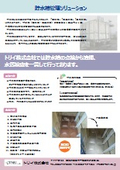
Recommended products


Distributors

Since our founding, we have continued to provide flexible services with the motto of accurately supplying a diverse range of products that respond to changes in the times and the diversification of consumer needs, tailored to various applications and requirements. With the corporate slogan "Chemical Engineering Partner," we, as a group of experts in chemical technology, actively discover ideas to solve our customers' problems from advanced technologies both domestically and internationally, and propose them.